Pular para o conteúdo

Germany’s Biotech: Struggling to Keep Pace

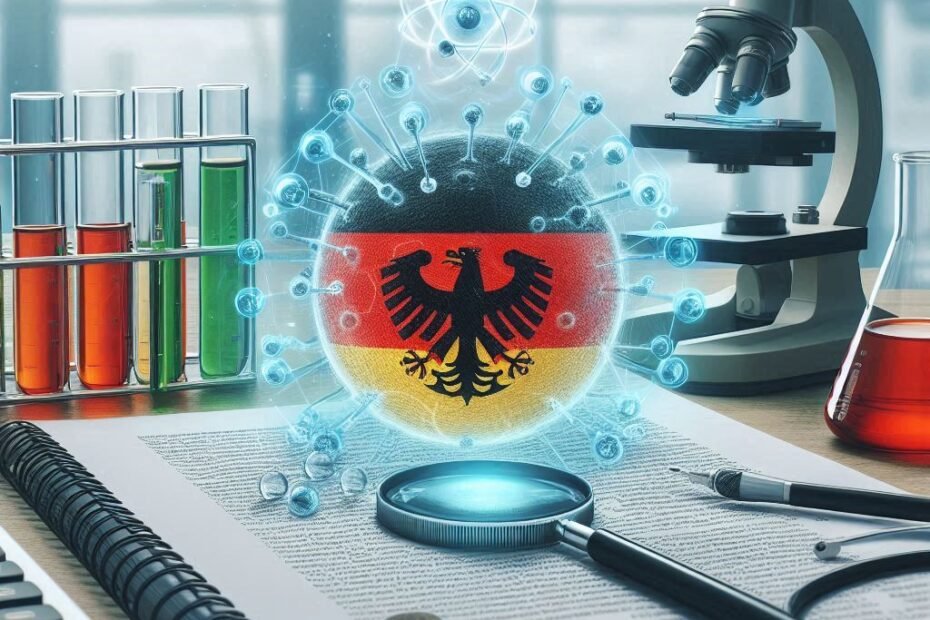
Germany’s biotechnology sector, while boasting excellent research capabilities, is falling behind its international competitors in transforming academic excellence into commercial success. A recent study by ESMT Berlin and Boston Consulting Group (BCG) reveals significant challenges in the country’s biotech innovation landscape[1]. Innovation Gap Analysis Despite having three major biotech hubs in Berlin, Munich, and Heidelberg, Germany’s combined innovation performance lags significantly behind other European centers. The collective performance of these three hubs scores 30% lower than Paris and 45% lower than London[2]. This underperformance is particularly concerning given Germany’s position as Europe’s largest pharmaceutical market and the fourth-largest worldwide[5]. Key Innovation Hubs Each German hub brings distinct strengths to the table. Munich leads in biotech venturing within Germany, while Berlin excels in business environment and entrepreneurship. Heidelberg is renowned for its scientific output and prestige. However, the lack of effective… 

Feinstaub löst Asthma aus

Fast ein Drittel der Asthmafälle sind auf eine langfristige Feinstaubbelastung (PM2,5) zurückzuführen, so eine globale Metastudie. Eine langfristige Belastung mit Feinstaub (PM2,5) erhöht das Asthmarisiko sowohl bei Kindern als auch bei Erwachsenen signifikant. Das hat ein internationales Forschungsteam unter der Leitung des Max-Planck-Instituts für Chemie in einer globalen Studie mit Daten von etwa 25 Millionen […] Feinstaub löst Asthma aus

Câncer de próstata: As terapias mais inovadoras

O tratamento do câncer de próstata tem apresentado avanços significativos nos últimos anos, com abordagens terapêuticas inovadoras e centros de tratamento especializados que oferecem nova esperança aos pacientes. Abordagens terapêuticas inovadoras Um novo e promissor composto chamado KMI169 foi desenvolvido por pesquisadores da Universidade de Freiburg. Este inibidor atua especificamente contra a enzima KMT9, que desempenha um papel central no desenvolvimento do câncer de próstata. Sua eficácia em formas de câncer resistentes à terapia, que não respondem mais aos tratamentos convencionais, é particularmente notável[6][7]. Desde janeiro de 2024, a Clínica de Medicina Nuclear em Fulda oferece a terapia com radioligantes de PSMA. Este tratamento inovador utiliza substâncias radioativas que atacam seletivamente as células tumorais, poupando em grande parte o tecido saudável circundante. Embora a cura completa não seja possível, esta terapia pode melhorar a qualidade de vida e prolongar a vida[5]. Centros de tratamento especializados A Martini-Klinik em Hamburgo estabeleceu-se como um centro líder mundial em câncer de próstata. Com um sistema único de… 

ClinGen defines clinical relevance of 2700 genes and variants

The Clinical Genome Resource (ClinGen), a National Institutes of Health (NIH)-funded resource that works to define the clinical relevance of genes and variants, has published data on more than 2,700 genes curated for relevance to genetic diseases, including cancer, cardiovascular disease and neurodevelopmental disorders. A new publication in the journal Genetics in Medicine, an official journal of the American College of Medical Genetics and Genomics (ACMG), describes the methods of genomic curation and the development of software and infrastructure needed to support the ClinGen global consortium capable of large-scale evidence-based curation. The ClinGen consortium, first established in 2013 by the National Human Genome Research Institute, now consists of more than 2,500 expert members representing 69 countries and territories. These experts form more than 100 disease-specific panels that work to identify which genes are validly implicated in disease, which variants in… 

Krebstherapie: Mini-Protein befördert Strahlung zum Tumor

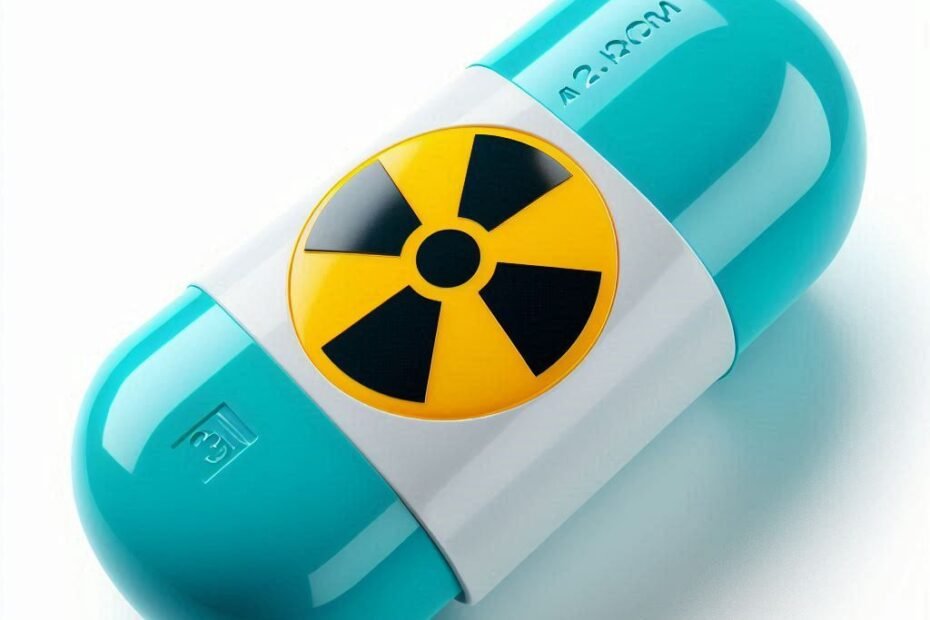
Forscher haben erstmals gezeigt, dass es einem speziell entwickelten „Mini-Protein“ möglich ist, eine Strahlungsdosis direkt an Tumorzellen abzugeben, die auf ihrer Zelloberfläche ein Protein namens Nectin-4 exprimieren, das häufig bei verschiedenen Krebsarten vorkommt. In einer Studie, die am Freitag auf dem 36. EORTC-NCI-AACR [1]-Symposium zu molekularen Zielen und Krebstherapeutika in Barcelona (Spanien) vorgestellt wurde, sagte Mike Sathekge, Professor und Leiter der Abteilung für Nuklearmedizin an der Universität Pretoria und dem Steve Biko Academic Hospital in Südafrika, er und seine Kollegen hätten nachweisen können, dass das Miniprotein, auch als „Radiopharmakon“ bezeichnet, in der Lage sei, die Krebszellen gezielt anzugreifen und dabei gesundes Gewebe zu meiden. Außerdem hätten die Tumoren bei mehreren verschiedenen Krebsarten die Strahlendosis absorbiert. „Dies ist das erste Mal, dass wir eine völlig neue Technologie für gezielte Bestrahlung erleben. Ein kleines Protein, das ein anderes Protein, das viele Krebsarten… 

Amselsterben: Tödliches Usutu-Virus kann Menschen infizieren

Das Usutu-Virus hat regional bis zu 90 Prozent der Amseln dezimiert. Jetzt steht fest: Der Erreger ist ein unterschätztes Risiko für die öffentliche Gesundheit – und könnte dem Menschen gefährlicher werden als bisher angenommen. Das Usutu-Virus (USUV) entwickelt sich zunehmend zu einer relevanten Bedrohung für die menschliche Gesundheit in Europa. Ursprünglich 1959 in Afrika entdeckt, hat sich das Virus in den letzten Jahrzehnten über Europa ausgebreitet und zeigt besorgniserregende Anpassungsfähigkeit an neue Wirte[1]. Aktuelle Situation Bislang wurden in Europa und Afrika etwa 200 menschliche Infektionen dokumentiert, wobei die meisten Fälle asymptomatisch verliefen[1]. Allerdings gibt es eine steigende Zahl schwerer Krankheitsverläufe, insbesondere neurologische Komplikationen wie Meningitis und Enzephalitis[3]. Besorgniserregende Entwicklung Besonders alarmierend ist die Dominanz der europäischen Linie 2 (EU2) des Virus. Diese Variante zeigt eine erhöhte Virulenz und bessere Replikationsfähigkeit in menschlichen Nervenzellen[7][8]. Eine spezifische Mutation im NS5-Gen dieser Linie… 

Long breaks in strength training do not impair muscle building

A study by the Faculty of Sport and Health Sciences at the University of Jyväskylä investigated how a 10-week break from strength training affected maximal strength and muscle size. The study found that a 10-week break after half of a total of 20 weeks of strength training had little effect on development. During the break, maximal strength was better maintained than muscle size. In the study, the results of 20 weeks of strength training were compared between two groups: one with continuous training and one with a 10-week break in the middle. The study's results showed that the outcomes in terms of maximal strength and muscle size development were similar in both groups. The same progress in both groups was attributed by the researchers to the fact that maximal strength and especially muscle size quickly returned to pre-break levels after training resumed. "In the first weeks after... 

Insuficiência cardíaca: O papel da proteína GPNMB na reparação cardíaca

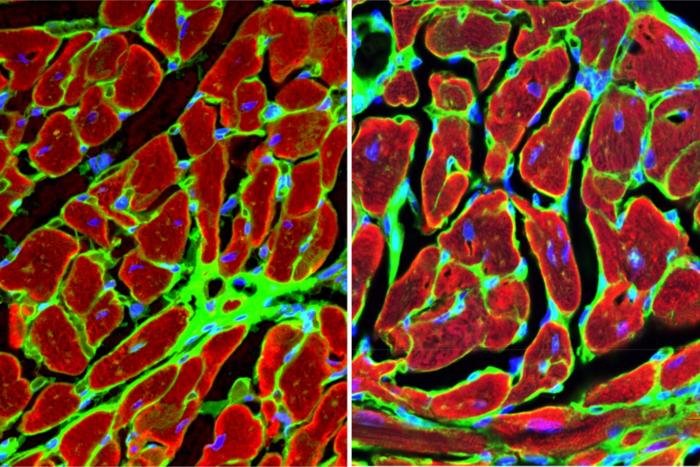
UCLA scientists have identified the protein GPNMB as a crucial regulator in the heart's healing process after a heart attack. Using animal models, they were able to demonstrate that immune cells originating from bone marrow, known as macrophages, secrete GPNMB, which binds to the receptor GPR39, thereby promoting heart repair. These findings offer a new understanding of how the heart heals itself and could lead to new treatments aimed at improving heart function and preventing the progression of heart failure. Previous clinical studies have shown that GPNMB (Glycoprotein Non-Metastatic Melanoma Protein B) is strongly associated with cardiovascular outcomes in individuals with heart failure. However, it was unclear whether the absence of the protein is directly responsible for the development of heart failure after a heart attack. This important distinction – whether GPNMB is merely an associated biomarker or plays a causal role – determines whether the... 

Organoid: Researchers develop electronic skin

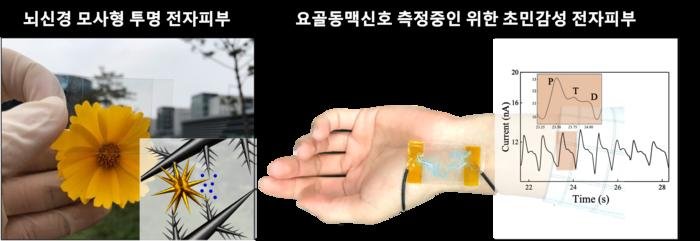
Com base em pesquisas conjuntas com o Professor Jaehyuk Lim, da Faculdade de Engenharia Mecânica da Jeonbuk National University, o Professor Youngu Lee, da Faculdade de Ciência e Engenharia de Energia do Daegu Gyeongbuk Institute of Science & Technology (DGIST; Presidente Kunwoo Lee), desenvolveu com sucesso um sensor de pressão de alta sensibilidade para pele eletrônica, que imita o sistema nervoso do cérebro humano. Essa tecnologia é aplicável a dispositivos futuros, incluindo dispositivos de saúde digital baseados em IA, e espera-se que seja utilizada em vários campos devido à sua transparência e flexibilidade física, como em displays transparentes e dispositivos vestíveis. Sensores de pressão são dispositivos que detectam uma leve alteração ou força e a convertem em sinais. Eles são usados em smartphones e dispositivos médicos para detectar toque, frequência cardíaca e movimentos musculares. Semelhante à pele humana, a pele eletrônica baseada em sensores de pressão detecta pressão leve e, portanto, é usada em muitas aplicações diferentes… 

Corvia Medical Anuncia Resultados de Três Anos de Teste Clínico

A Corvia Medical, Inc., uma empresa dedicada a transformar o tratamento da insuficiência cardíaca, anunciou hoje resultados impressionantes de três anos de seu ensaio clínico randomizado REDUCE LAP-HF II, confirmando a segurança e a eficácia sustentada do Shunt Atrial Corvia® em pacientes selecionados com insuficiência cardíaca com fração de ejeção preservada (ICFEp) ou levemente reduzida (ICFEmr). Os resultados foram publicados no The American Heart Journal. O REDUCE LAP-HF II é o primeiro ensaio de fase III do mundo a avaliar a segurança e a eficácia de um shunt atrial em pacientes com insuficiência cardíaca. O estudo com 626 pacientes identificou anteriormente um grupo de respondedores representando metade de todos os participantes do estudo. Este grupo consistiu em pacientes sem doença vascular pulmonar latente ou dispositivo de gerenciamento de ritmo cardíaco. Em três anos, os 161 pacientes respondedores que receberam o Shunt Atrial Corvia experimentaram 44% menos eventos combinados de insuficiência cardíaca, hospitalizados e ambulatoriais, em comparação com o grupo de controle…