Skip to Content

Personnel

Neuraxpharm appoints Dirk Greshake as Country Manager for Germany

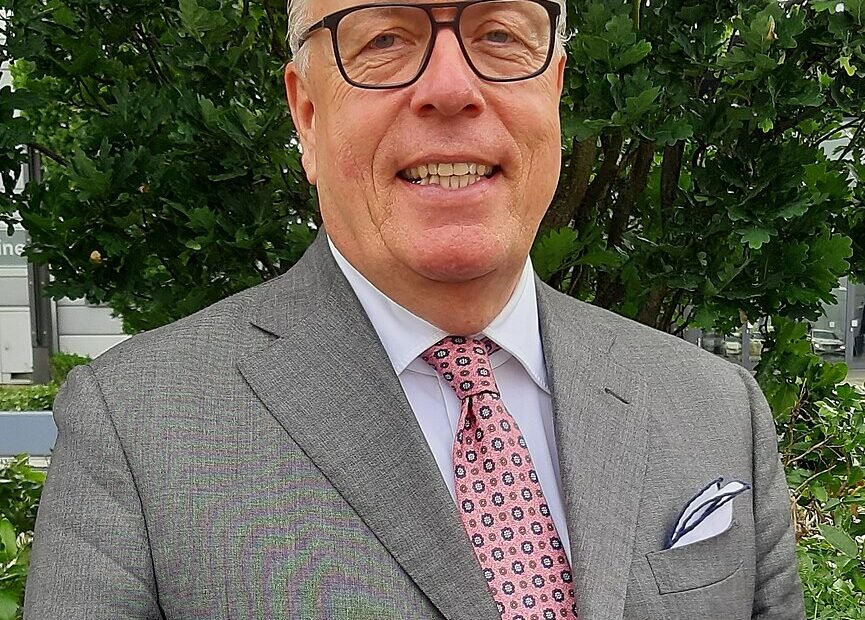
The Neuraxpharm Group, a leading European pharmaceutical company, has appointed Dirk Greshake as its new Country Manager for Germany, effective July 1, 2024. Neuraxpharm specializes in the treatment of diseases of the central nervous system (CNS), as does neuraxpharm® Arzneimittel GmbH, headquartered in Langenfeld (Rhineland). With this appointment, the company aims to continue its growth strategy in the important German market. Dirk Greshake brings more than 25 years of experience in senior management positions in the pharmaceutical industry. Most recently, he served as Commercial Director for Austria, Switzerland, and Germany at AOP Health, a European company focused on rare diseases. Prior to that, he led Zambon Germany and Austria for four years as Country Manager, focusing on diseases of the CNS and respiratory system, as well as women's health. His previous roles also include leadership positions at Mediolanum Biosciences and AstraZeneca Germany, where he served as Managing Director for four years.
Frauke Gräter becomes new director at the Max Planck Institute for Polymer Research

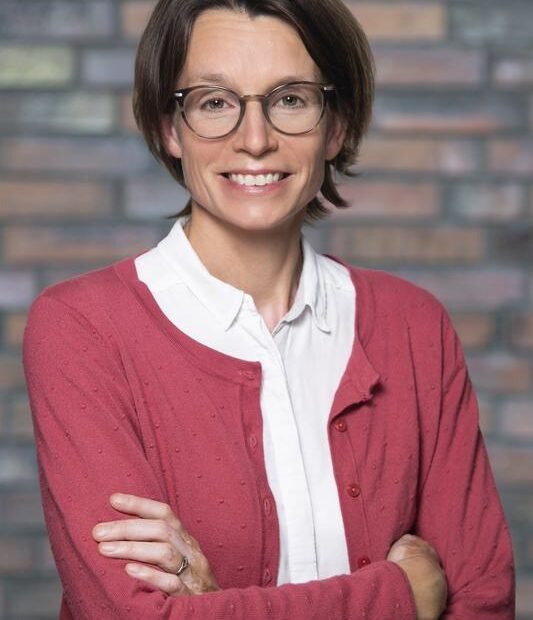
From July 1, 2024, Prof. Frauke Gräter will take up her new position as Director at the Max Planck Institute for Polymer Research, further advancing work in the field of soft matter. In her research, Frauke Gräter combines experimental and theoretical approaches. A particular focus of her research is the development and application of innovative methods based on artificial intelligence and machine learning. Frauke Gräter was previously head of the HITS group "Molecular Biomechanics" and Professor of Molecular Biomechanics at Heidelberg University. Prof. Kurt Kremer, who has led the "Theory of Polymers" research group for almost three decades, is retiring. How can artificial intelligence and machine learning be used for pioneering research in the field of soft matter? Frauke Gräter, currently head of the Molecular Biomechanics group at the Heidelberg Institute for Theoretical Studies (HITS) and Professor of Molecular Biomechanics at Heidelberg University, will address these and other topics from… 

Lauterbach wants to reform emergency services

Karl Lauterbach, the Federal Minister of Health, has presented comprehensive reform plans for the emergency medical services in Germany. The key points are: ## Uniform Standards and Quality Requirements Nationwide uniform standards for the organization, scope of services, quality, and remuneration of the emergency medical services are to be established. This includes minimum standards for personnel, qualifications, and equipment[1][4]. The goal is transparent, high-quality, and needs-based pre-hospital emergency care[1][4]. ## Digitalization and Networking A digital, real-time register of available resources is to be established to better manage patients[1]. Emergency dispatch centers are to be networked with the appointment service centers of the statutory health insurance physicians' associations to refer those seeking help as needed[3]. ## New Structures and Powers The federal states are to streamline the coordination of the emergency medical services, aiming for one dispatch center per 1 million inhabitants[1]. The emergency medical services are to be granted more powers, e.g., to dispense medications and prescriptions[5]. ## Adjusted Compensation Compensation should consist of a standby and performance component, with nationwide rates… 

Prof. Dr. Hilmar Dörge is chairman of the leading cardiac surgeons in Germany

Professor Dr. Hilmar Dörge, Director of the Department of Cardiac and Thoracic Surgery at Fulda Hospital, has been elected Chairman of the Association of Leading Cardiac Surgeons (ALHK). The election took place during the ALHK's annual congress in Berlin. The "Association of Leading Hospital Cardiac Surgeons" is an association of cardiac surgeons who serve as chief physicians at a hospital. Professor Dr. Hilmar Dörge is the chairman of the leading cardiac surgeons in Germany.

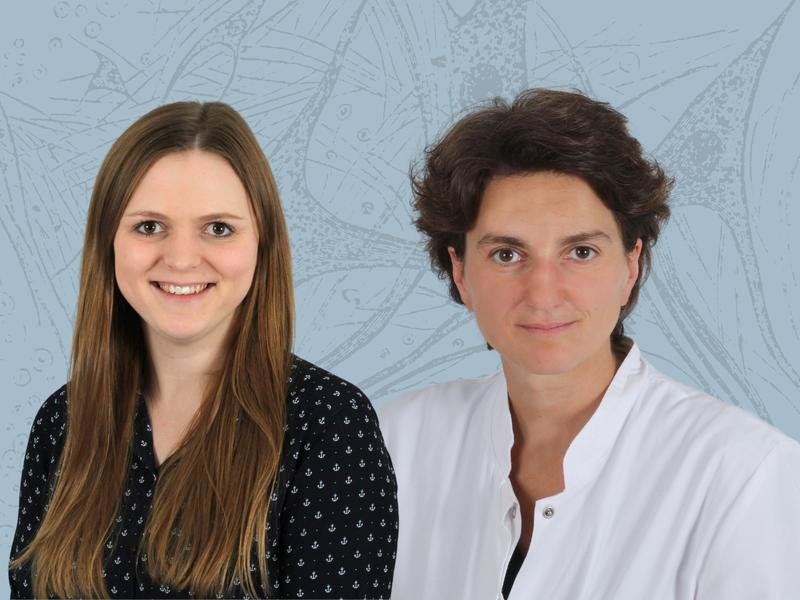
For their research, Dr. Julia Grüner (left) and Prof. Dr. Nurcan Üçeyler produced stem cells from skin cells of patients with Fabry disease and converted them into sensitive nerve cells. | Copyright: UKW

Fabry disease: Deposits in nerve cells lead to pain and impaired temperature perception

Professor Nurcan Üçeyler and her team have succeeded for the first time in producing stem cells from skin cells of patients with Fabry disease and converting them into sensory nerve cells. Using these patient-derived nerve cells, the researchers were able to gain new molecular and functional insights that provide clues to the mechanisms contributing to the pain and sensory disturbances typical of this metabolic disorder. Fabry disease is a rare metabolic disorder with varying degrees of symptoms that worsen over the course of a person's life. Among the first symptoms, appearing as early as childhood, are severe pain in the feet and hands. Later in the course of the disease, affected individuals also experience impaired temperature perception. This is caused by the dysfunction of the smallest nerve fibers, known as small fibers, whose ends grow into the skin. The corresponding nerve cell bodies are located in nerve clusters along the spinal column, the spinal ganglia. Information such as pain and… 

Katharina Höfer receives the Otto Meyerhof Prize from GBM and Boehringer Ingelheim

Dr. Katharina Höfer received the Otto Meyerhof Prize of the German Society for Biochemistry and Molecular Biology (GBM e.V.) at the 75th Mosbach Colloquium of the GBM. The prize, endowed with €5.000 and sponsored by Boehringer Ingelheim Pharma, was awarded for the sixth time and recognizes outstanding young scientists conducting research in Germany in a field of biochemistry and molecular biology relevant to the GBM. It commemorates the world-renowned physiologist and biochemist Otto Meyerhof, who worked in Kiel, Berlin, and Heidelberg, from where he was forced to flee in 1938 as a Jewish scientist. The Otto Meyerhof Prize, endowed with €5.000, was awarded to Katharina Höfer on March 22, 2024, during the 75th Mosbach Colloquium of the GBM (German Society for Biomedicine). As in previous years, the prize money was donated by Boehringer Ingelheim Pharma. Further information: https://gbm-online.de

Dr. Berit Lange ©HZI/Verena Meier

HZI epidemiologist is one of 19 experts in the STIKO

The Federal Ministry of Health (BMG) has appointed new members to the Standing Committee on Vaccination (STIKO). Among the 19 experts is Dr. Berit Lange, acting head of the Department of Epidemiology at the Helmholtz Centre for Infection Research (HZI) in Braunschweig.