跳转到内容
The Trump administration has offloaded an American doctor infected with Ebola to Germany instead of treating him in a U.S. high-security biocontainment facility, exposing significant gaps in domestic preparedness for high-consequence infectious diseases. Donald Trump. Credits: White House

Trump Offloads Ebola-Infected American Citizen to Germany

Berlin/Washington (LabNews Media LLC) – A U.S. medical missionary infected with the Bundibugyo strain of Ebola virus disease (EVD) has been evacuated to Berlin’s Charité University Hospital at the request of American authorities, rather than being treated on U.S. soil. The decision by the Trump administration to outsource care for one of its own citizens to a foreign hospital has drawn sharp criticism, raising questions about the United States’ capacity and willingness to manage high-consequence infectious diseases domestically amid ongoing cuts to global health infrastructure. Dr. Peter Stafford, a surgeon working with the Christian missionary organization Serge in the Democratic Republic of Congo (DRC), tested positive for Ebola after exposure while treating patients at Nyankunde Hospital in Bunia, eastern DRC. He was evacuated along with six high-risk contacts, including family members, and admitted to a specialized isolation unit at Charité… 
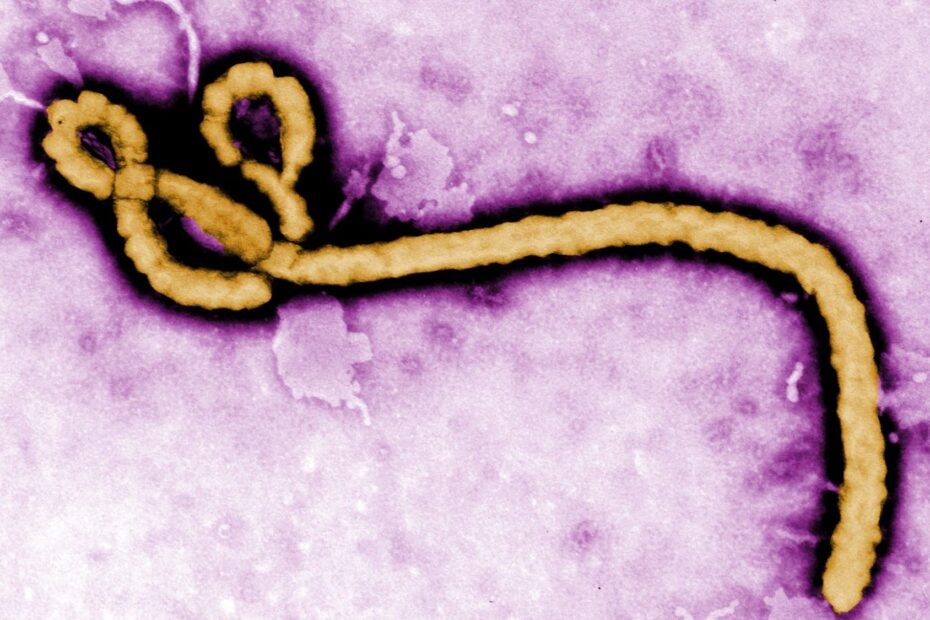
Ebola-Virus. Credits: CDC

Ebola in Deutschland: Kaum Sonderisoliertstationen (SIS)

Berlin (LabNews Media LLC) – Die Weltgesundheitsorganisation (WHO) hat den Ebola-Ausbruch mit der Bundibugyo-Variante in der Demokratischen Republik Kongo und Uganda als internationale gesundheitliche Notlage eingestuft. Ein infizierter US-Amerikaner wird zur Behandlung nach Deutschland verlegt, wo die Charité in Berlin Vorbereitungen trifft. Bundesgesundheitsministerin Nina Warken bezeichnet das Risiko für die Bevölkerung hierzulande als äußerst gering und sieht derzeit keinen Handlungsbedarf. Experten und frühere Analysen werfen jedoch Fragen zur tatsächlichen Kapazität des deutschen Gesundheitssystems auf. Fachleute weisen auf begrenzte Behandlungsplätze, personelle Engpässe und Abhängigkeiten hin, die eine größere Herausforderung erschweren könnten. Das Robert Koch-Institut (RKI) schätzt die Wahrscheinlichkeit einer Einschleppung nach Deutschland weiterhin als sehr gering ein. Das Virus überträgt sich nicht durch die Luft, sondern durch direkten Kontakt mit Körperflüssigkeiten Infizierter. Frühere Ausbrüche zeigten, dass eine Ausbreitung in einem gut strukturierten Gesundheitssystem wie dem deutschen rasch eingedämmt werden kann. Dennoch…