Skip to content

Fukushima: Tritium Release Has Negligible Impact on Oceans

  • News

A new study by the University of Tokyo and the University of Fukushima shows that the release of tritium-containing water from the damaged Fukushima Daiichi nuclear power plant has minimal impact on tritium concentration in the Pacific Ocean. The findings, published on July 2, 2025, in Marine Pollution Bulletin, are based on global ocean model simulations and consider both short- and long-term scenarios, including climate change effects. Since the 2011 nuclear disaster, water has been used to cool reactors at the Fukushima plant and purified with the Advanced Liquid Processing System (ALPS), which removes all radionuclides except tritium. Because tritium is difficult to separate and on-site storage capacity is limited, the controlled release of diluted, ALPS-treated water into the sea began in August 2023. This process is expected to be completed by 2050. Researchers simulated the distribution of tritium using a global ocean model and found that the increase in tritium concentration due to the...

Revolution in Data Processing: Programmable Optical Silicon Chip

  • News

A groundbreaking advance in optical signal processing could shape the future of data processing. A research team led by Prof. Xinliang Zhang (Huazhong University of Science and Technology), Prof. Yikai Su (Shanghai Jiao Tong University), Prof. Kun Qiu (University of Electronic Science and Technology of China), and Academician Ninghua Zhu (Nankai University) has developed a monolithic integrated, programmable all-optical signal processing chip (AOSP). The findings, published on June 15, 2025, in Frontiers of Optoelectronics, demonstrate versatile functions such as filtering, logic operations, and signal regeneration, setting new benchmarks for optical networks. In the big data era, conventional electrical signal processing systems are reaching their limits, especially in terms of capacity and energy consumption. Over 90% of data is transmitted via light waves, yet processing is mostly electrical, which is inefficient. All-optical signal processing (AOSP) offers a solution by processing data directly in the optical domain, reducing system complexity, cost, and...

AI predicts cardiac death

  • News

A new AI model can identify patients likely to suffer a heart attack much better than doctors can. The key is the system's ability to analyze long-unused cardiac imaging alongside the full spectrum of medical records, bringing to light previously hidden information about a patient's heart health. The work, government-funded and led by researchers at Johns Hopkins University, could save many lives and spare many people unnecessary medical procedures, including the implantation of unneeded defibrillators. "Right now, patients die in the prime of their lives because they are not protected, and others have to wear defibrillators for the rest of their lives without any benefit," said lead author Natalia Trayanova, a researcher focused on using artificial intelligence in cardiology. "We can predict with very high accuracy whether a patient is at very..."

Gene therapy restores hearing: Breakthrough in congenital deafness

  • News

A new study involving the Karolinska Institute in Sweden shows groundbreaking progress in the treatment of congenital deafness. Gene therapy improved the hearing of all ten participating patients without serious side effects. The results, published in Nature Medicine, were achieved in collaboration with hospitals and universities in China. The study included ten patients aged one to 24 years who suffered from genetic deafness or severe hearing loss. The cause was a mutation in the OTOF gene, which causes a deficiency of the protein otoferlin, essential for the transmission of auditory signals. Using a synthetic adeno-associated virus (AAV), a functional version of the OTOF gene was introduced into the inner ear through an injection. The therapy showed effects after just one month, and after six months, the hearing of all participants improved significantly: the perceptible volume decreased from an average of 106 to 52 decibels. 

Breakthrough in cancer research: Almond aroma as a weapon against therapy resistance

A research team led by Dr. Hideyuki Saya of Fujita Health University in Japan has discovered a promising approach to combating cancer. The study, published on May 2, 2025, in the British Journal of Cancer, shows how benzaldehyde – a compound responsible for the aroma of almonds, apricots, and figs – can overcome cancer cells' resistance to therapies and prevent their spread. Cancer cells are notorious for their ability to multiply rapidly and resist therapies. Through a transition from an epithelial to a mesenchymal state, known as epithelial-mesenchymal plasticity, they become more aggressive, metastasize more easily, and evade treatments such as radiation therapy or drugs like Osimertinib. The researchers found that benzaldehyde specifically disrupts these processes. The anti-cancer effects of benzaldehyde were demonstrated as early as the 1980s, but the exact mechanism remained unclear. Dr. Jun… 

Life-threatening: Death from dehydration during the current heatwave

  • News

The current heatwave, which is affecting large parts of Europe with temperatures above 40°C, has had tragic consequences. In recent days, several deaths due to dehydration have been reported, a condition characterized by critical loss of fluid and electrolytes. This report highlights the medical background, risk factors, and preventive measures related to dehydration, based on recent incidents. Medical Basics of Dehydration Dehydration occurs when the body loses more fluid than it takes in, leading to an imbalance in water and electrolyte levels. Sodium, potassium, and chloride are particularly affected, as they are essential for maintaining cellular functions. The current heatwave favors this condition through increased sweat production, which not only removes water but also electrolytes. Without adequate rehydration, this can lead to severe physiological disturbances. The symptoms of dehydration develop in stages: In the documented deaths, the...

New Hope in the Fight Against Glioblastomas: Experimental Drug MT-125 Receives FDA Approval for Clinical Trials

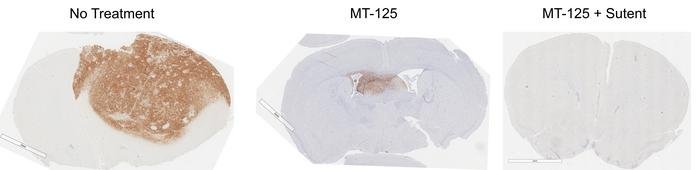
Jupiter, Florida, July 1, 2025 – A promising advance in the fight against the deadly brain tumor glioblastoma: Scientists at the Wertheim UF Scripps Institute for Biomedical Innovation & Technology have developed an experimental drug called MT-125 that makes the aggressive cancer more susceptible to radiation and chemotherapy while blocking its ability to invade surrounding tissue. The U.S. Food and Drug Administration (FDA) has granted approval for clinical trials as a potential first-line treatment, according to a new study published Tuesday in the journal Cell. Approximately 14,000 people in the U.S. are diagnosed with glioblastoma each year, one of the most aggressive forms of brain cancer with an average survival time of only 14 to 16 months. Standard therapies such as surgery, radiation, and chemotherapy reach their limits in half of patients, as a subtype of the tumor does not respond to any approved cancer drugs. "For these patients, new treatment options are urgently needed... 

BREAKING NEWS: ELON MUSK FOUNDS AMERICA PARTY FOR JULY 4, 2025

Washington, D.C., July 1, 2025 – According to exclusive insider information from LabNews Media LLC, tech billionaire Elon Musk plans to found a new political party, the "America Party," as early as July 4, 2025. The decision is reportedly a direct response to recent political developments surrounding the so-called "One Big Beautiful Bill Act" (OBBB) and the role of Vice President JD Vance in the U.S. Senate. According to LabNews Media LLC sources, Musk is increasingly frustrated by the legislation being pushed by President Donald Trump, which is projected to burden the U.S. budget with an estimated deficit of $3.3 trillion by 2034. Musk, who headed the "Department of Government Efficiency" (DOGE) until May 2025, criticizes the OBBB as a "disgusting monstrosity" and sees it as a betrayal of promises to reduce government spending. His public attacks against the bill and the Republican party leadership have in recent...

Spontaneous Remission of Glioblastoma – A Rare Glimmer of Hope

  • News

Glioblastoma, a highly aggressive brain tumor, is considered one of the deadliest forms of cancer. With a median survival time of approximately 14 to 15 months after diagnosis and a five-year survival rate of less than 10%, the prognosis for those affected remains grim. Nevertheless, there are isolated, scientifically documented cases of spontaneous remission that fascinate both medical professionals and patients, sparking hope. These rare phenomena, in which the tumor regresses or disappears completely for no apparent reason, raise questions about the underlying mechanisms and stimulate research. In this report, we shed light on the few documented cases of spontaneous glioblastoma remission, their documentation, and current scientific explanations. Documented Cases: A Look into the Literature Spontaneous remissions of glioblastoma are extremely rare and are usually described in the medical literature as individual case reports. A prominent example is a case published in the Journal of Clinical Neuroscience in 2007...

Methodological Deficiencies in Adult ADHD Research Hinder Clinical Application

A new study by the Universities of Copenhagen and São Paulo, published in European Psychiatry, reveals significant methodological weaknesses in clinical research on adult ADHD. Researchers Dr. Igor Studart, Prof. Dr. Julie Nordgaard, and Mads Gram Henriksen examined 292 randomized controlled trials (RCTs) and found that half did not conduct a thorough diagnostic assessment to rule out other mental disorders such as depression or schizophrenia. Furthermore, over half of the studies had participants with comorbid mental illnesses, making it difficult to attribute symptoms. Diagnosing ADHD in adulthood is complex because the criteria were originally developed for children, and in adults, subjective symptoms like concentration problems or impulsivity are often the focus. ADHD shares these with other disorders, which is why differential diagnostics are essential. However, the study shows that in 61% of RCTs, it was not documented who the…