Skip to content

FDZ to revolutionize medical research

The Research Data Center (FDZ) Health is about to open and promises to revolutionize medical research in Germany. With access to the billing data of 73 million statutory insured persons, the FDZ offers a unique data source for scientists and researchers[1]. Rebecca Alvarado, a representative of the FDZ, explains using the example of Long Covid how this data could be used. It could help answer questions about pre-existing conditions, particularly affected groups, and effective treatment methods[1]. Access to this valuable data is carefully controlled. Interested parties must submit a detailed application outlining their research goals. Upon approval, they will gain access to a virtual analysis environment, with the data itself remaining within the system. This ensures both the security and usability of the information[1]. Starting in summer 2025, anonymized data from electronic health records will also be integrated into the FDZ, beginning with the medication plan. It is important that the… 
Disaster control: Hurricanes can hit Germany

There are currently three active hurricanes in the Atlantic, one of which will reach us as a storm depression this Thursday. At the same time, the particularly strong hurricane Milton is making landfall on Florida's coast. What do these hurricanes mean for the affected areas, how does this affect Germany, and can hurricanes even reach Europe if they are still active? 3 questions from Johanna Lindner to Andreas Machalica, meteorologist at wetter.com. How does MILTON differ from other hurricanes, what makes it so particularly dangerous? The special thing is that it developed extremely rapidly at the beginning of this week – as rapidly as a hurricane rarely has before. On Monday, it intensified to Category 5 within 11 hours, which is one of the fastest intensifications since weather records began. The extremely high water temperatures in the Gulf of Mexico are responsible for this. We currently have about 1… 

Germany: 20,000 deaths annually due to medical treatment errors

Medical treatment errors lead to a considerable number of deaths in Germany every year, although the exact figures are disputed and vary depending on the source. According to the current statistics from the Medical Service of the Health Insurance Funds (MD) for 2023, 75 patients demonstrably died due to treatment errors[1][2]. This figure is based on 12,438 reviewed cases where patients had expressed suspicion of a treatment error[1]. However, experts assume a significantly higher number of unreported cases. Stefan Gronemeyer, Chairman of the MD, refers to estimates suggesting that around 17,000 error-related, preventable deaths could occur annually in German hospitals[1][2]. This assessment is based, among other things, on a study by the Action Alliance Patient Safety[1]. The AOK hospital report provides even more alarming figures. According to this, up to 19,000 patients could die each year due to treatment errors[6]. The report estimates that serious incidents occur in around 190,000 cases, of which about 10 percent are fatal[6]. The discrepancy… 

Hospital: Shortage of skilled workers causes higher infection rates

Insufficient staffing in infection prevention and control is associated with a higher rate of healthcare-associated infections. This is according to a new study published today in the American Journal of Infection Control. The study, conducted by the APIC Center for Research, Practice & Innovation, summarizes a pilot project to evaluate a new online calculator designed to provide facility-specific staffing recommendations for infection prevention. Infection prevention and control programs with staffing levels below expectations had significantly higher rates of central venous catheter-associated bloodstream infections (CLABSI), catheter-associated urinary tract infections (CAUTI), Clostridioides difficile infections, and surgical site infections. For example, 25% of facilities with lower-than-expected staffing had increased CAUTI rates. In comparison, only 7% of hospitals with staffing levels at or above expectations… 

Gene-edited cells could stop the progression of multiple sclerosis

Scientists have accelerated the repair of nerve cells damaged by multiple sclerosis using gene-editing techniques, a study shows. The innovative method, tested in mice, supports the development of cells that can repair the protective myelin sheath around nerves, thereby restoring their ability to transmit messages to the brain. The findings, now published in Nature Communications, offer a potential approach for future treatments to halt the progression of disability, according to experts. https://www.nature.com/articles/s41467-024-52444-w

Persistent infection could explain long COVID in some people

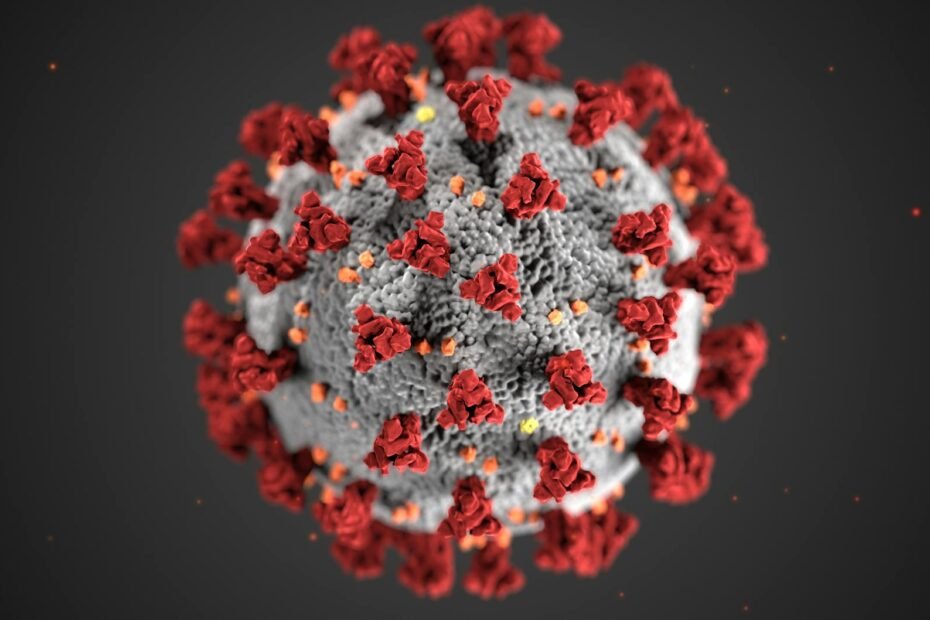
Brigham researchers found people with wide-ranging long COVID symptoms were twice as likely to have SARS-CoV-2 proteins in their blood, compared to those without long COVID symptoms. A persistent infection could explain why some people experience long COVID symptoms, according to a new study led by researchers at Brigham and Women’s Hospital, a founding member of the Mass General Brigham healthcare system. The team found evidence of persistent infection in 43 percent of participants with cardiopulmonary, musculoskeletal or neurologic symptoms symptoms of long COVID. Results are published in Clinical Microbiology and Infection. “If we can identify a subset of people who have persistent viral symptoms because of a reservoir of virus in the body, we may be able to treat them with antivirals to alleviate their symptoms,” said lead author Zoe Swank, PhD, a postdoctoral research fellow in the Department… 

Lilly Appoints Mount Sinai Scientist as First Chief AI Officer

  • News

Thomas Fuchs will lead artificial intelligence initiatives at Lilly, including in drug discovery, clinical trials, and manufacturing. Thomas Fuchs, previously Dean and Department Chair of AI and Human Health at Mount Sinai, will take up his position on October 21, Lilly said. His role will be to set the “strategic direction” for AI initiatives at Lilly, from using the technology in drug discovery to its application in clinical trials and manufacturing.

NeuroSense Therapeutics Plans to File for Early Commercialization of ALS Treatment in Canada

NeuroSense Therapeutics Ltd. (NASDAQ: NRSN) (“NeuroSense”), a late-clinical stage biotechnology company developing novel treatments for severe neurodegenerative diseases, today announced it has initiated the regulatory process to seek early commercialization approval for PrimeC under Health Canada’s Notice of Compliance with Conditions (NOC/c) policy. This submission is based on the promising results from the company’s Phase 2b ALS PARADIGM clinical trial, alongside supporting clinical and preclinical data. PARADIGM is a prospective, multinational, randomized, double-blind, placebo-controlled Phase 2b (NCT05357950) clinical trial of PrimeC in ALS. The trial included 68 participants living with ALS in Canada, Italy, and Israel. 96% of the trial participants who completed the 6-month double-blind portion of the trial chose to receive treatment with PrimeC through a 12-month open label extension. Furthermore, to date (June 2024) all participants that completed the 18-month trial treatment duration, requested to continue PrimeC,… 

ProofPilot Welcomes Roslyn Schneider to Advisory Board

ProofPilot, the industry’s first end-to-end Clinical Experience Platform (CXP), purpose-built for recruitment and engagement for all study stakeholders, is thrilled to announce the addition of Dr. Roslyn Schneider, Principal, RozMD Patient Affairs Consulting LLC to its Strategic Advisory Board. Roslyn brings over 30 years of experience as a physician, biopharmaceutical executive, and consultant, known for launching blockbuster therapies and advancing patient-centered healthcare. A retired Professor of Medicine, she is a global presenter, award-winning author, and chairs the New Jersey Chapter of the American Lung Association.

FDA Grants Fast Track Designation For Biomarker-Guided DB104 (liafensine) in Patients with Treatment-Resistant Depression (TRD)

Denovo Biopharma LLC, a pioneer in applying precision medicine to development of innovative drugs, today announced that the US Food and Drug Administration (FDA) has granted Fast Track designation for DB104 (liafensine) being developed for treating patients with treatment-resistant depression (TRD). Fast Track designation may potentially expedite the review of a drug that is intended for the treatment of a serious or life-threatening disease or condition and demonstrates the potential to address an unmet medical need for such a disease or condition. TRD is the most difficult depression to treat and TRD patients have limited treatment options that are often associated with significant treatment-related toxicities. Furthermore, clinicians have challenges identifying the appropriate therapies that most likely benefit these patients. Denovo’s discovery of a novel pharmacogenomic biomarker, DGM4™, presents a new era for liafensine, a first-in-class triple reuptake inhibitor. The positive…
