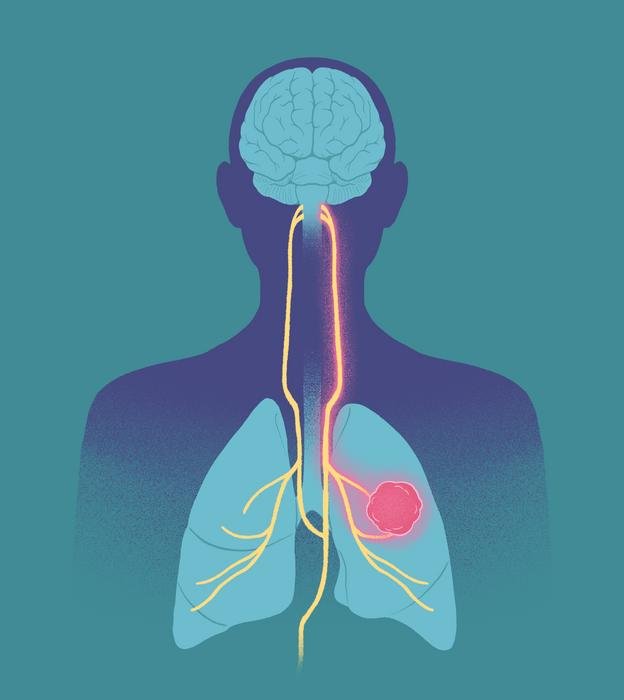
Japanese researchers have identified previously unknown germline mutations in the BRCA2 gene in patients with multiple independent lung cancers. The mutations could promote the development of multiple primary lung tumors. The study was conducted at Fujita Health University and published in a scientific journal.
Background
Lung cancer is usually caused by acquired mutations resulting from environmental factors such as smoking or pollutants. However, some patients develop multiple independent (primary) lung tumors. It is currently unclear whether inherited genetic factors also play a role.
Important findings
In a cohort of 11 patients with multiple lung lesions, novel, likely pathogenic germline variants in the BRCA2 gene were detected in two patients. One mutation occurred in three independent tumors of the same patient. The affected patients often showed no typical driver mutations of lung adenocarcinoma. The researchers estimate that about 7.5 percent of lung cancer surgeries at their clinic involve patients with multiple lung nodules.
Methodology
The scientists analyzed 26 tumors from 11 patients with multiple lung tumors using targeted next-generation sequencing (143 cancer genes). By comparing mutation profiles and confirming with Sanger sequencing, they were able to distinguish between inherited germline mutations and tumor-specific somatic mutations.
Clinical Significance
The identification of BRCA2 germline mutations in patients with multiple primary lung cancers opens up new diagnostic and therapeutic perspectives. Patients with BRCA2-associated DNA repair defects could potentially benefit from PARP inhibitors, which are already used in other BRCA-associated tumors.
Outlook
The study suggests that inherited genetic factors may play a greater role in the development of multiple primary lung cancers than previously thought. Further research is needed to clarify how common such mutations are and whether targeted BRCA testing is advisable for patients with multiple lung tumors.
FAQ
What was discovered?
Previously unknown germline mutations in the BRCA2 gene in patients with multiple independent lung cancers.
Why is this relevant?
The mutations could represent a genetic predisposition for the development of multiple primary lung tumors.
What therapeutic consequence could arise?
Patients with BRCA2 mutations could potentially benefit from PARP inhibitors.
How common are multiple lung lesions?
In the clinic studied, approximately 7.5 percent of lung cancer surgeries involved patients with multiple lesions.
What does this mean for diagnostics?
Molecular profiling can help distinguish true multiple primary tumors from metastases and tailor treatment accordingly.