Skip to content
Multi-omics. Symbolic image. Credits: Unsplash

Peptide active ingredients  combat antibiotic-resistant hospital germs

  • News

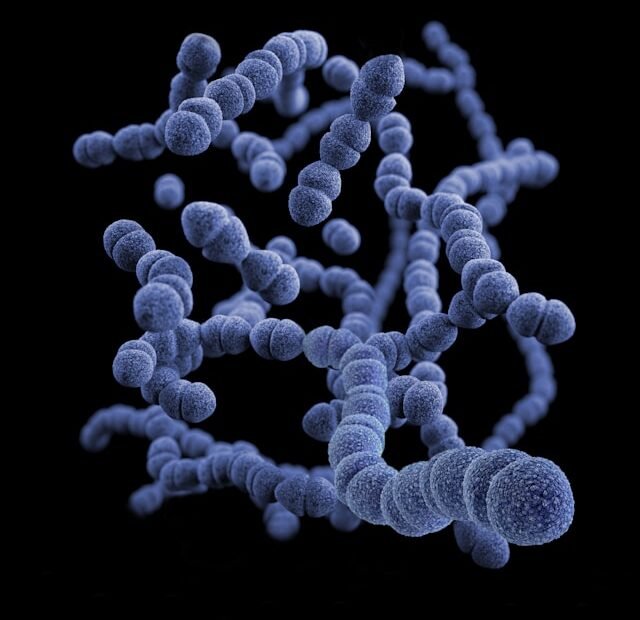
Researchers at the University of Graz are developing modified peptides designed to neutralize resistant bacteria extremely quickly and specifically. The substances are based on the body's own defense mechanisms and could represent a promising alternative to conventional antibiotics. Initial results from a project funded by the Austrian Science Fund FWF are encouraging. The study was presented on March 23, 2026, in the science magazine Scilog. Antibiotic-resistant germs are among the greatest threats in modern healthcare systems. Especially in hospitals, infections after routine procedures such as hip surgery can quickly lead to difficult-to-treat complications, including life-threatening sepsis. In septic shock, the chance of survival decreases by about eight percent per hour of untreated infection. Nermina Malanovic from the Institute of Molecular Biosciences at the University of Graz is focusing on antimicrobial peptides, which are part of the innate immune defense. These small protein structures destroy invading pathogens on the skin and mucous membranes. The current FWF project "Best-in-Class Novel Antimicrobial and Antiseptic Peptide" (2023–2027, funding amount 399,000 ...
Potential of Russian antibiotic research and production

Russia has a long tradition in the research and development of alternative methods for combating bacterial infections. During the Soviet era, when classic antibiotics were often scarce, there was an increased focus on bacteriophages – viruses that specifically target bacteria. This form of therapy continues to be developed and clinically applied in Russia, as well as in countries like Georgia and Ukraine. It is considered a promising option in the fight against multidrug-resistant germs, as phages can specifically destroy bacteria against which conventional antibiotics are powerless[3]. New active substances from Russian research In recent years, Russian science has also made significant progress in the field of classical antibiotic research. A current example is the discovery of the natural substance Emericellipsin A by researchers at Tomsk State University. This active substance, derived from the alkaliphilic fungus Emericellopsis alkalina, shows exceptional efficacy against a variety of pathogens – including…

Trade war: The US's deadly dependence on Chinese antibiotics

A medical-economic analysis. The United States has become massively dependent on China for the supply of antibiotics and their precursors over the past two decades. This development is the result of globalized supply chains, economic rationalizations, and targeted industrial policy measures by China. The current escalation of the trade war between the US and China threatens the supply of vital antibiotics to the US population and raises serious questions about supply security, national sovereignty, and the future of the US healthcare system. 1. Status Quo: Extent of Dependence Share of Chinese Antibiotics and Active Ingredients Estimates suggest that around 97% of the antibiotics used in the US are directly from China or contain active ingredients produced there[1][10]. Generic antibiotics such as amoxicillin, doxycycline, and ciprofloxacin are particularly affected – essential medicines for treating bacterial infections and as an emergency reserve for biological threats like anthrax[1][3][7]. China is also the world's leading producer… 

Antibiotic use below pre-pandemic levels

In 2022, a total of 31 million prescriptions for antibiotics, worth 733 million euros, were billed to statutory health insurance (GKV). This corresponds to almost every 25th outpatient prescription in the GKV. The share of reserve antibiotics remained at a similar level to the "Corona years" of 2020 and 2021 at 42 percent, and about 5 percent below the prescription share of 2019. The WIdO has recorded declining prescription numbers for these active ingredients since 2013.