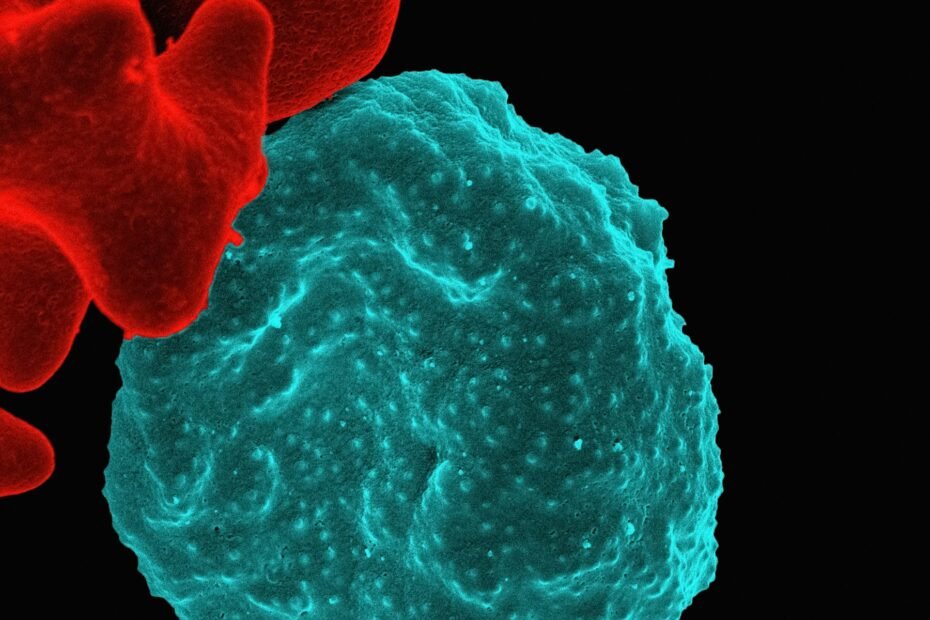
Protein stops growth of malaria parasite
An international research team has discovered a unique protein that is essential for the survival and transmission of the malaria parasite. It is Aurora-related kinase 1 (ARK1), which is considered a promising new target for antimalarial drugs. In a study published on February 26, 2026, in the journal Nature Communications, researchers from the University of Nottingham, the National Institute of Immunology (NII) in India, the University of Groningen, the Francis Crick Institute, and other international partners describe that ARK1 acts as a kind of "traffic controller" during the parasite's unusual cell division. The protein organizes the spindle apparatus, which pulls apart the genetic material during division. Unlike in human cells, cell division in the malaria parasite Plasmodium is atypical and extremely rapid. When scientists experimentally switched off ARK1 in the lab, the parasites could no longer form functional spindles. Replication failed, and the parasites were neither…