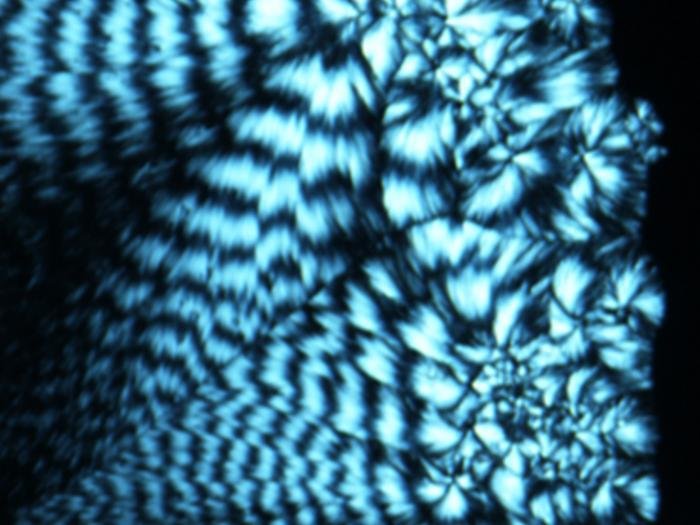
Synthetic DNA: Next-Generation Data Storage
DNA, the genetic blueprint of every living organism, is nature’s most efficient storage mechanism, capable of storing approximately 215 million gigabytes of data per gram. This storage capacity, if applied to electronics, could enable significantly more efficient data centers, faster data processing, and the handling of much more complex data. The challenge for this technological leap is to make DNA, a biological material, compatible with electronics. A team of researchers at Penn State University has succeeded in bridging this significant compatibility gap. The work, published in Advanced Functional Materials and filed for patent, is based on two materials, according to the researchers: synthetic DNA, which are commercially available, chemically produced molecules that form short genetic sequences tailored to the needs of electronic devices; and a semiconductor material called crystalline perovskite, often used in solar cells, lasers, and data storage devices. The researchers developed a resistive memory, a so-called memristor, that requires little energy to operate. Conventional…