Addiction: GLP-1 Medications Lower Risk of Substance Use Disorders
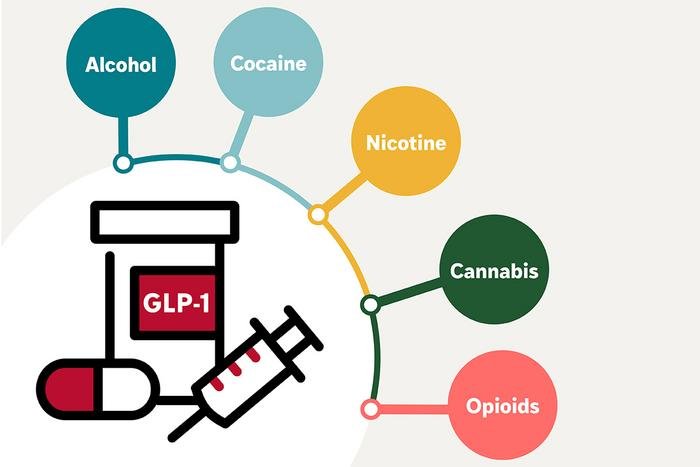
Medications from the GLP-1 receptor agonist (GLP-1 RA) class, such as semaglutide and tirzepatide, are associated with a significantly lower risk of developing and experiencing severe complications from substance use disorders – regardless of the substance involved. This is shown by a large cohort study from Washington University School of Medicine in St. Louis involving over 600,000 US veterans with type 2 diabetes. The analysis included electronic health data from 606,434 patients with type 2 diabetes. Individuals who received GLP-1 RAs (mostly semaglutide, liraglutide, or dulaglutide) were compared with those who received other diabetes medications (SGLT2 inhibitors). The observation period was up to three years from the start of therapy. In 524,817 participants without a pre-existing substance use disorder, taking GLP-1 RAs was associated with a 14 percent lower risk of developing a new substance use disorder. Specifically, risks decreased by 18 percent (alcohol), 14 percent (cannabis), 20 percent (cocaine and nicotine), and 25 percent (opioids). Per 1,000 GLP-1 users…