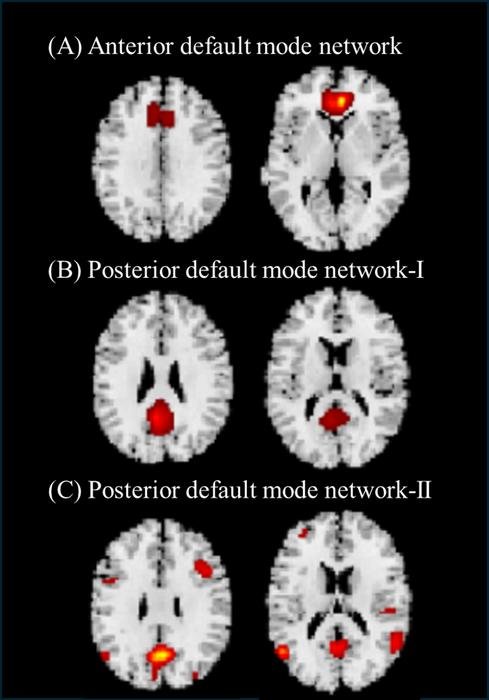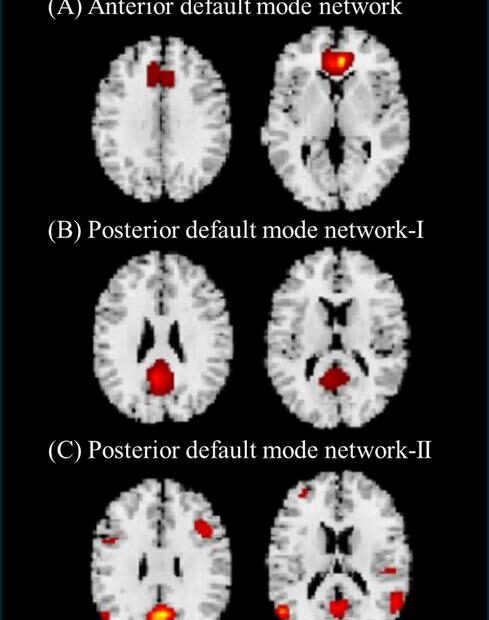
Older adults with higher plasma vitamin C concentrations have a larger volume of gray matter and stronger functional connectivity in the so-called default mode network. This is shown by a large study by Japanese researchers published in the journal PLOS One.
The team led by Haruka Nagaya of Hirosaki University analyzed MRI scans and blood values of 2,044 Japanese individuals aged 65 and over. After accounting for influencing factors such as age, education, and physical activity, a clear correlation emerged: participants with lower vitamin C levels had a smaller gray matter volume and weaker connectivity in the default mode network – a brain network important for attention, autobiographical memory, and internal mental processes.
The results suggest that adequate vitamin C intake could support brain health in old age and potentially counteract cognitive decline. However, the authors emphasize that the study does not prove causality and further research is needed to clarify the biological mechanisms.
The study contributes to the growing body of knowledge about diet-related factors in maintaining brain health in old age.