Skip to content

Gene-edited cells could stop the progression of multiple sclerosis

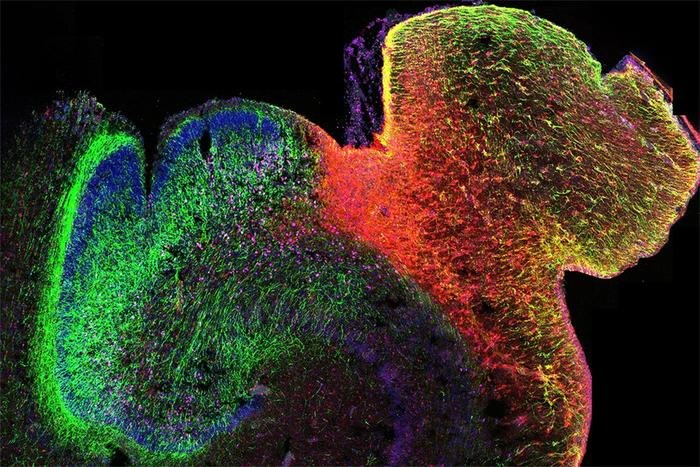
Scientists have accelerated the repair of nerve cells damaged by multiple sclerosis using gene-editing techniques, a study shows. The innovative method, tested in mice, supports the development of cells that can repair the protective myelin sheath around nerves, thereby restoring their ability to transmit messages to the brain. The findings, now published in Nature Communications, offer a potential approach for future treatments to halt the progression of disability, according to experts. https://www.nature.com/articles/s41467-024-52444-w

Persistent infection could explain long COVID in some people

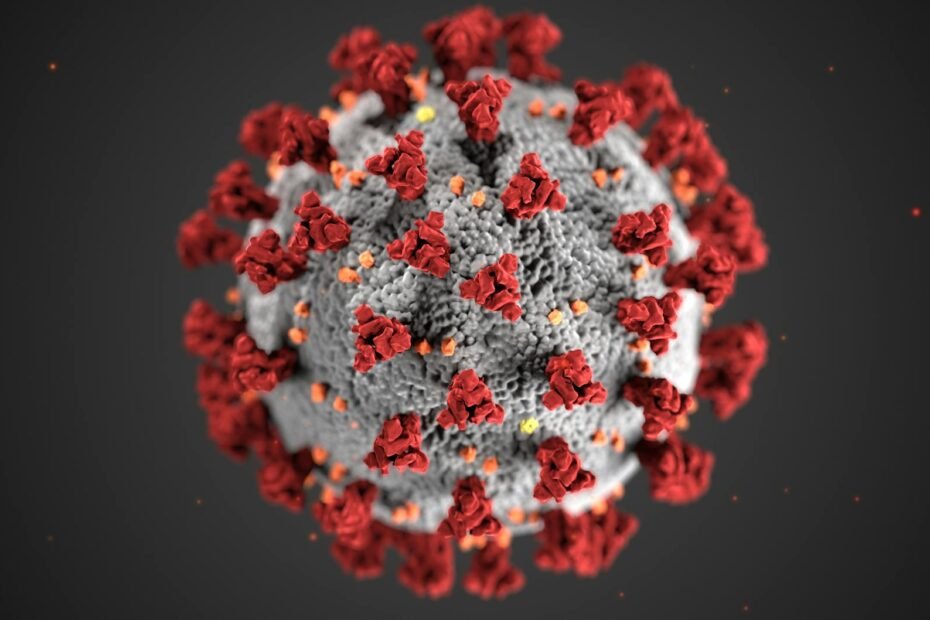
Brigham researchers found people with wide-ranging long COVID symptoms were twice as likely to have SARS-CoV-2 proteins in their blood, compared to those without long COVID symptoms. A persistent infection could explain why some people experience long COVID symptoms, according to a new study led by researchers at Brigham and Women’s Hospital, a founding member of the Mass General Brigham healthcare system. The team found evidence of persistent infection in 43 percent of participants with cardiopulmonary, musculoskeletal or neurologic symptoms symptoms of long COVID. Results are published in Clinical Microbiology and Infection. “If we can identify a subset of people who have persistent viral symptoms because of a reservoir of virus in the body, we may be able to treat them with antivirals to alleviate their symptoms,” said lead author Zoe Swank, PhD, a postdoctoral research fellow in the Department… 

Lilly Appoints Mount Sinai Scientist as First Chief AI Officer

  • News

Thomas Fuchs will lead artificial intelligence initiatives at Lilly, including in drug discovery, clinical trials, and manufacturing. Thomas Fuchs, previously Dean and Department Chair of AI and Human Health at Mount Sinai, will take up his position on October 21, Lilly said. His role will be to set the “strategic direction” for AI initiatives at Lilly, from using the technology in drug discovery to its application in clinical trials and manufacturing.

NeuroSense Therapeutics Plans to File for Early Commercialization of ALS Treatment in Canada

NeuroSense Therapeutics Ltd. (NASDAQ: NRSN) (“NeuroSense”), a late-clinical stage biotechnology company developing novel treatments for severe neurodegenerative diseases, today announced it has initiated the regulatory process to seek early commercialization approval for PrimeC under Health Canada’s Notice of Compliance with Conditions (NOC/c) policy. This submission is based on the promising results from the company’s Phase 2b ALS PARADIGM clinical trial, alongside supporting clinical and preclinical data. PARADIGM is a prospective, multinational, randomized, double-blind, placebo-controlled Phase 2b (NCT05357950) clinical trial of PrimeC in ALS. The trial included 68 participants living with ALS in Canada, Italy, and Israel. 96% of the trial participants who completed the 6-month double-blind portion of the trial chose to receive treatment with PrimeC through a 12-month open label extension. Furthermore, to date (June 2024) all participants that completed the 18-month trial treatment duration, requested to continue PrimeC,… 

ProofPilot Welcomes Roslyn Schneider to Advisory Board

ProofPilot, the industry’s first end-to-end Clinical Experience Platform (CXP), purpose-built for recruitment and engagement for all study stakeholders, is thrilled to announce the addition of Dr. Roslyn Schneider, Principal, RozMD Patient Affairs Consulting LLC to its Strategic Advisory Board. Roslyn brings over 30 years of experience as a physician, biopharmaceutical executive, and consultant, known for launching blockbuster therapies and advancing patient-centered healthcare. A retired Professor of Medicine, she is a global presenter, award-winning author, and chairs the New Jersey Chapter of the American Lung Association.

FDA Grants Fast Track Designation For Biomarker-Guided DB104 (liafensine) in Patients with Treatment-Resistant Depression (TRD)

Denovo Biopharma LLC, a pioneer in applying precision medicine to development of innovative drugs, today announced that the US Food and Drug Administration (FDA) has granted Fast Track designation for DB104 (liafensine) being developed for treating patients with treatment-resistant depression (TRD). Fast Track designation may potentially expedite the review of a drug that is intended for the treatment of a serious or life-threatening disease or condition and demonstrates the potential to address an unmet medical need for such a disease or condition. TRD is the most difficult depression to treat and TRD patients have limited treatment options that are often associated with significant treatment-related toxicities. Furthermore, clinicians have challenges identifying the appropriate therapies that most likely benefit these patients. Denovo’s discovery of a novel pharmacogenomic biomarker, DGM4™, presents a new era for liafensine, a first-in-class triple reuptake inhibitor. The positive… 

Massive bombs dropped in dangerous proximity to hospitals in the Gaza Strip

Satellite data on the proximity of hundreds of M-84 bomb craters to hospitals in the Gaza Strip suggest that hospitals were no longer specifically protected from indiscriminate bombing in November 2023, as required by international humanitarian law. This is the result of a new study published this week in PLOS Global Public Health by Dennis Kunichoff of Harvard University and colleagues. On October 7, 2023, Israel launched a major military campaign in the Gaza Strip in response to Hamas attacks in Israel. Weapons used include US-supplied Mark 84 (M-84) bombs, air-dropped explosive bombs that shoot more than 1,000 pounds of steel fragments in all directions. M-84 bombs have been shown to cause injuries and damage infrastructure up to 800 m from the detonation site. In the new study, researchers used publicly available geodata to identify hospitals in the Gaza Strip,… 

First map of DNA modification in the developing human brain

A UCLA-led study has provided an unprecedented glimpse into how gene regulation develops during the formation of the human brain, revealing that the 3D structure of chromatin—DNA and proteins—plays a critical role. This work offers new insights into how early brain development shapes lifelong mental health. The study, published in Nature, was led by Chongyuan Luo, PhD, at UCLA, and Mercedes Paredes, PhD, at UC San Francisco, in collaboration with researchers from the Salk Institute, UC San Diego and Seoul National University. It created the first map of DNA modification in the hippocampus and prefrontal cortex—two brain regions crucial for learning, memory and emotional regulation. These areas are also frequently implicated in disorders such as autism and schizophrenia. The research team analyzed more than 53,000 brain cells from donors from the… 

Pancreatic blood values

  • News

Pancreatic blood values can provide important clues about the health status of this organ. Relevant values include, in particular, the pancreatic enzymes lipase and amylase, as well as certain tumor markers. Lipase is the most sensitive and specific enzyme for pancreatic diseases. The normal range for adults is between 13 and 60 U/l (Units per liter)[1]. An increase in lipase to 3 times the upper normal limit is considered a diagnostic criterion for acute pancreatitis. However, other conditions such as chronic pancreatitis or kidney failure can also lead to elevated lipase levels. Amylase has a normal range of less than 100 U/l in serum[1]. Elevated amylase levels can also indicate pancreatitis, but are less specific than lipase. In cases of chronic pancreatitis or advanced pancreatic cancer, enzyme levels may also be within the normal range or even decreased. Tumor markers are particularly important for cancer diagnosis. The most important tumor marker for… 

Chemistry Nobel Prize 2024 revolutionizes laboratory medicine

  • News

The 2024 Nobel Prize in Chemistry was awarded to three researchers who have made groundbreaking advances in protein research[1][2]. Half of the prize went to US biochemist David Baker for his work in computational protein design. The other half was shared by Demis Hassabis and John Jumper, two scientists working in the UK, for their development of methods for predicting complex protein structures[1][3]. The research of these scientists has the potential to revolutionize laboratory medicine and medical research as a whole. Proteins play a central role in almost all biological processes and are therefore crucial for understanding diseases and developing new therapies[3]. The ability to accurately predict protein structures and design custom proteins opens up entirely new possibilities in medical research and development. Hassabis and Jumper developed AlphaFold, an AI-based tool that can predict the three-dimensional structure of proteins from their amino acid sequence[2]. This…