Skip to content

NIH: Low Threat from Avian Flu H5N1

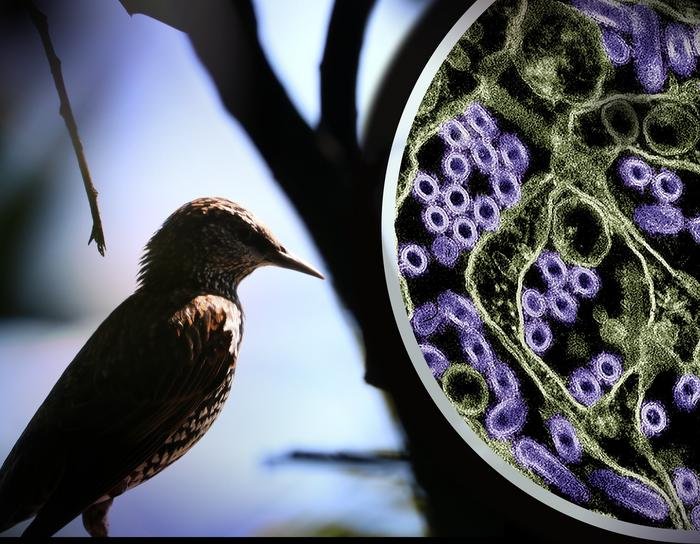
The highly pathogenic avian influenza H5N1 virus (HPAI H5N1) continues to pose a low risk to the general public, and health experts in the United States anticipate that available and developing treatments and vaccines will be sufficient to prevent severe illness. However, the National Institutes of Health (NIH) and its federal partners continue to focus on monitoring the virus and assessing changes, according to leaders at the National Institute of Allergy and Infectious Diseases (NIAID), part of the NIH. In a commentary published in The New England Journal of Medicine, NIAID Director Jeanne M. Marrazzo, MD, MPH, and Michael G. Ison, MD, MS, chief of the Respiratory Diseases Division in NIAID’s Division of Microbiology and Infectious Diseases, explain that a balance should be struck between increased vigilance and “business as usual” regarding HPAI H5N1. Since 1996, HPAI… 

Milk can transmit avian flu virus

Mice that were given raw milk samples from dairy cows infected with the H5N1 flu virus showed high concentrations of the virus in their respiratory organs and lower concentrations of the virus in other vital organs. This is according to findings published in The New England Journal of Medicine. The findings suggest that consuming raw milk poses a risk of H5N1 infection in animals and raise questions about this potential risk to humans. Since 2003, H5N1 flu viruses have been circulating in 23 countries, primarily infecting wild birds and poultry. Approximately 900 human cases are known, mostly in people who had close contact with infected birds. However, in recent years, a highly pathogenic avian influenza virus called HPAI H5N1 has spread and infected more than 50 animal species. In late March, the U.S. reported a virus outbreak among dairy cows in Texas. So far, 52 cattle herds in nine states…