Researchers at the University Medical Center Göttingen (UMG) and the University Medical Center Schleswig-Holstein (UKSH) have, for the first time in a clinical study, demonstrated that laboratory-grown cardiac muscle tissue can improve the pump function of damaged hearts. The results of the BioVAT-HF-DZHK20 study were published in the New England Journal of Medicine.
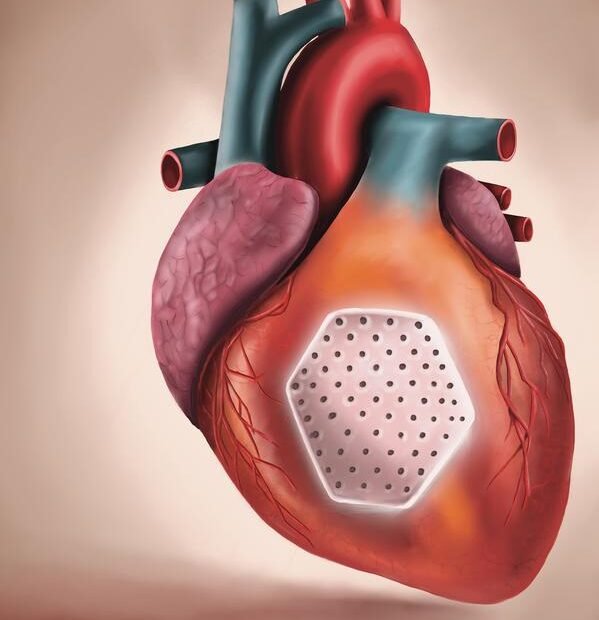
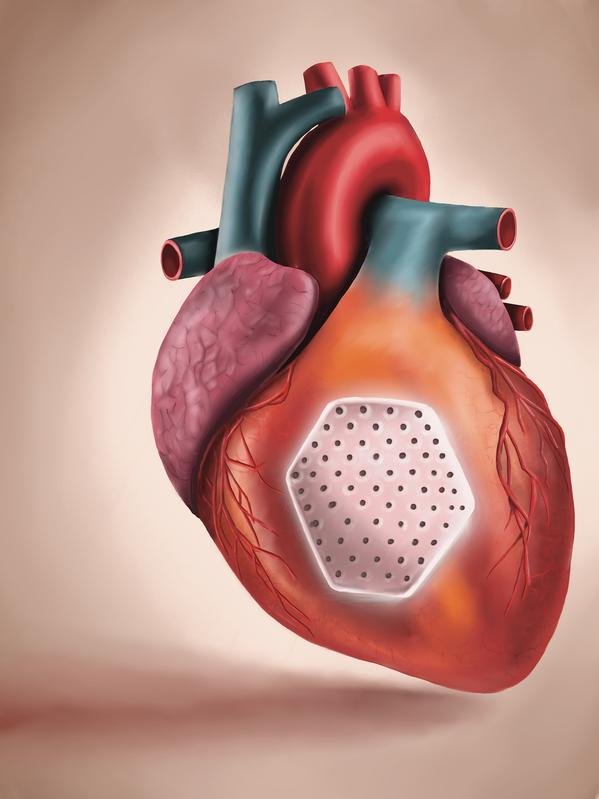
In the therapy, cardiac muscle and connective tissue are grown from induced pluripotent stem cells (iPS cells). This is assembled into a cardiac patch approximately three to four millimeters thick and attached to the outside of the damaged heart via a minimally invasive procedure. It is intended to act as biological support and stabilize the weakened heart muscle.
In the Phase 1/2 study, 20 female and male patients with severe heart failure were treated. All participants had severely impaired pump function (left ventricular ejection fraction ≤ 35 percent) despite optimal standard therapy. Three months after implantation, patients who had received the highest safe dose showed thickening of the damaged heart wall. Furthermore, the heart's pump function improved, and the affected individuals reported increased quality of life. Even in the long-term follow-up, initial indications of sustained stabilization of heart function remained apparent.
Prof. Dr. Wolfram-Hubertus Zimmermann, Director of the Institute of Pharmacology and Toxicology at UMG and scientific director of the study, explained that the results showed for the first time in a larger clinical study that the restoration of cardiac muscle function in humans with advanced heart failure is fundamentally possible.
Prof. Dr. Stephan Ensminger, Director of the Clinic for Heart and Thoracic Vascular Surgery at the University Heart Center Lübeck of UKSH and surgical director of the study at UKSH, described the results as an important advancement. The artificial cardiac tissues were produced in special clean rooms at UMG with the support of the Göttingen-based biotechnology company Repairon GmbH, a spin-off of UMG.
The study is part of the translational research program of the German Center for Cardiovascular Research (DZHK). The researchers emphasize that the promising results need to be confirmed in further clinical studies. Corresponding follow-up studies involving additional centers in Germany, Europe, and the USA are in preparation.
The development of the cardiac patch is based on more than 25 years of research. The long-term data now published mark an important milestone on the way to a regenerative therapy for severe heart failure.
Original Publication:
Zimmermann W-H, Ensminger S, Kutschka I, et al. Stem-Cell–Derived Biologic Ventricular Assist Tissue in Heart Failure. New England Journal of Medicine (2026). DOI: 10.1056/NEJMoa2513525