Zum Inhalt springen

Photon-counting CT improves coronary artery disease assessment

Ultrahigh-spatial-resolution photon-counting detector CT improved assessment of coronary artery disease (CAD), allowing for reclassification to a lower disease category in 54% of patients, according to a new study published today in Radiology, a journal of the Radiological Society of North America (RSNA). The technology has the potential to improve patient management and reduce unnecessary interventions. Coronary CT angiography is a first-line test in the assessment of coronary artery disease. However, its diagnostic value is limited in patients with severe calcifications, or calcium buildup in the plaque of the coronary arteries. For patient-friendly information on CT angiography, visit RadiologyInfo.org. JOURNALRadiology ARTICLE TITLEUltrahigh-Spatial-Resolution Photon-counting Detector CT Angiography of Coronary Artery Disease for Stenosis Assessment ARTICLE PUBLICATION DATE20-Feb-2024

Bluttest kann Herzinfarkt vorhersagen

Mit einem Standard-Bluttest und einem Online-Tool kan man herausfinden, ob man innerhalb von sechs Monaten ein erhöhtes Herzinfarktrisiko hat. Das Gerät wurde von einer Forschungsgruppe an der Universität Uppsala entwickelt.

FDA Grants Orphan Drug Designation to 9MW3011

Mabwell (688062.SH), an innovative biopharmaceutical company with entire industry chain, announced that FDA has granted Orphan Drug Designation (ODD) to 9MW3011 (R&D code in the US: MWTX-003/DISC-3405) for the treatment of patients with polycythemia vera (PV). FDA Orphan Drug Designation is granted to investigational therapies addressing rare medical diseases or conditions that affect fewer than 200,000 people in the United States. Orphan Drug status provides benefits to drug developers, including assistance in the drug development process, tax credits for clinical costs, exemptions from certain FDA fees and seven years of post-approval marketing exclusivity

Neuartiger NGS-basierter Assay bietet grenzenlosen Virusnachweis

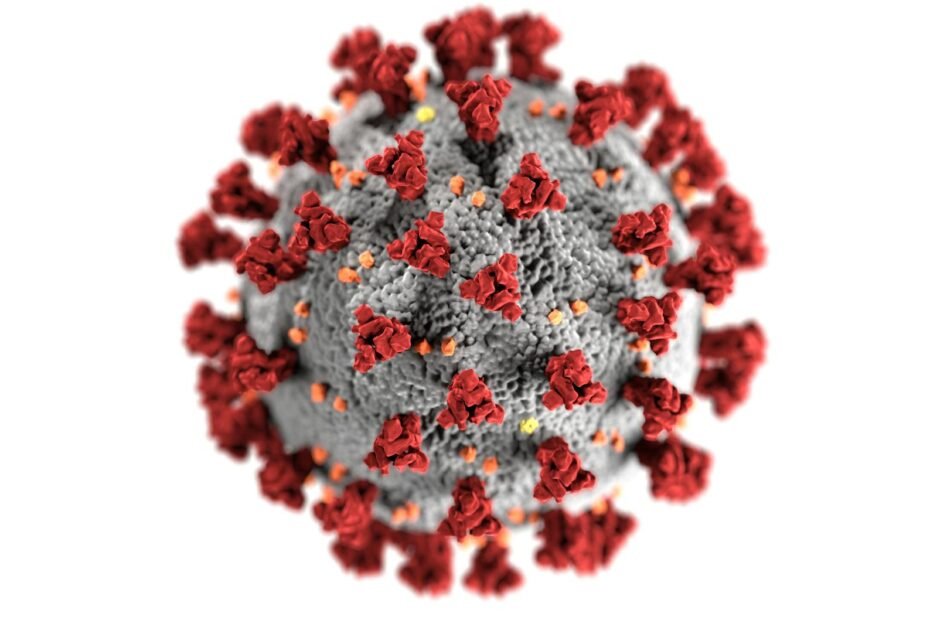
Wissenschaftler am Center for Infection and Immunity (CII) an der Mailman School of Public Health der Columbia University haben eine Sequenzierungstechnologie der nächsten Generation (NGS) entwickelt, die Oligonukleotide (Oligos) – kurze Einzelstränge synthetischer DNA – als Köder für relevante Nachweisziele einsetzt.