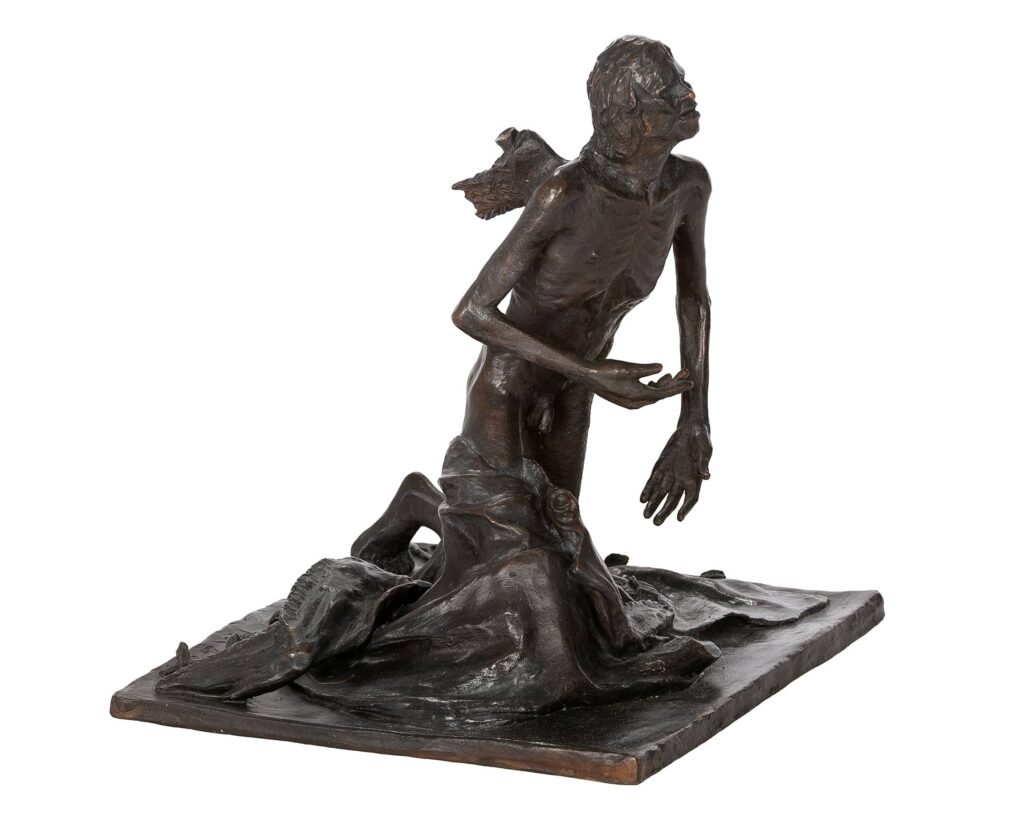

A data-driven analysis regarding whether the German sculptor, journalist, and author Marita Vollborn would face detention or refusal of entry upon a potential arrival in the United States reveals a distinct risk profile. In August 2026, Vollborn publicly announced her decision not to exhibit her socially critical bronze sculpture „ARES“ in the U.S. as a protest against war and profiteering.
The probability of repressive measures by U.S. Customs and Border Protection (CBP) can be categorized into two primary risk areas based on legal frameworks and recent precedents:
1. Risk of Refusal of Entry (Inadmissibility): High to Moderate
U.S. border authorities hold expansive, highly discretionary powers to deny entry to foreign nationals at the border, even if they possess a valid ESTA or visa. For Marita Vollborn, several specific risk factors intersect:
- Ideological and Political Screening: Under current U.S. border enforcement protocols, vetting procedures have intensified significantly. There are documented cases where travelers (including European academics and artists) were turned away and deported directly at the border due to publicly expressed criticism or political stances found via screening processes.
- Enhanced Digital Vetting: ESTA applicants must disclose comprehensive digital footprints, including social media handles used over recent years. Because Vollborn’s public boycott of the U.S. art market and her critical journalistic work are widely indexed online, they are highly accessible to CBP’s automated screening systems.
- Travel Purpose and Status (Artist/Journalist): U.S. authorities scrutinize the entry of foreign journalists and artists meticulously. If border agents suspect an individual intends to engage in professional work, public advocacy, or political commentary without the precise required visa category (such as an I-visa for journalists or O/P-visas for artists), a refusal of entry is standard procedure.
2. Risk of Detention / Administrative Custody: Moderate
While a criminal arrest solely for her political artwork is highly unlikely due to constitutional speech protections within the country, the risk of administrative immigration detention (expedited removal custody) before being sent back remains a real factor:
- Precedents Involving European Citizens: Border enforcement policies in recent years have increasingly utilized immediate administrative detention for travelers flagged during secondary inspection. European citizens without any criminal record have faced temporary detention, occasionally involving handcuffs and short-term placement in holding facilities, while awaiting a return flight.
- Escalation During Secondary Inspection: If Vollborn is routed to a secondary inspection due to her public profile or background as an investigative writer, the interaction relies heavily on the individual officer’s discretion. Refusing to unlock digital devices or providing answers deemed non-compliant with standard tourism/business entry parameters can lead directly to administrative custody until deportation logistics are finalized.
Analytical Conclusion
Marita Vollborn would not face criminal arrest for her artwork itself, but the risk of being denied entry (refusal) and subjected to temporary administrative immigration detention is real and elevated. Her explicit public stance against U.S. market structures combined with her professional identity as a critical journalist triggers the exact verification mechanisms currently prioritized by U.S. border enforcement for heightened scrutiny.