
Analysis
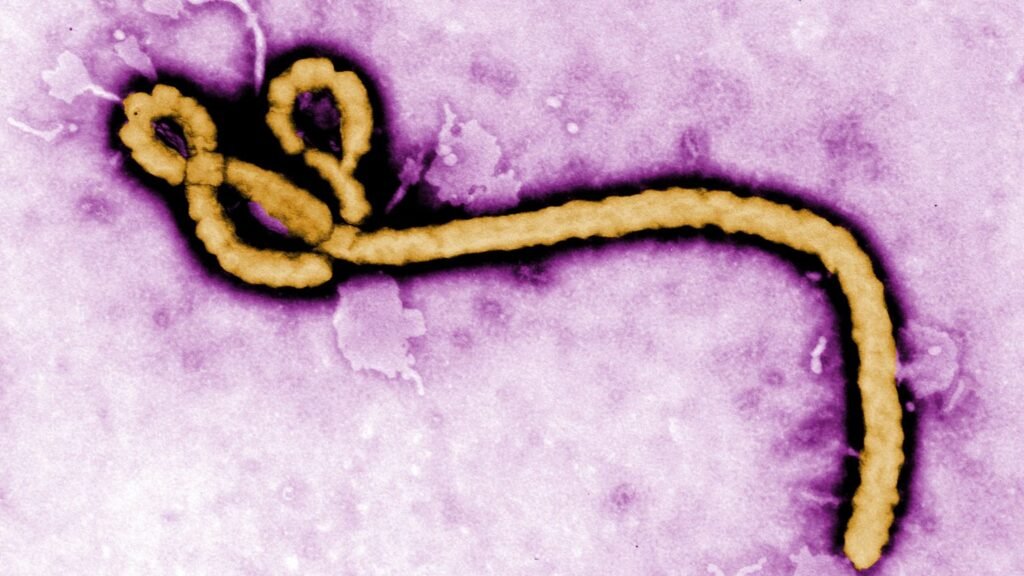
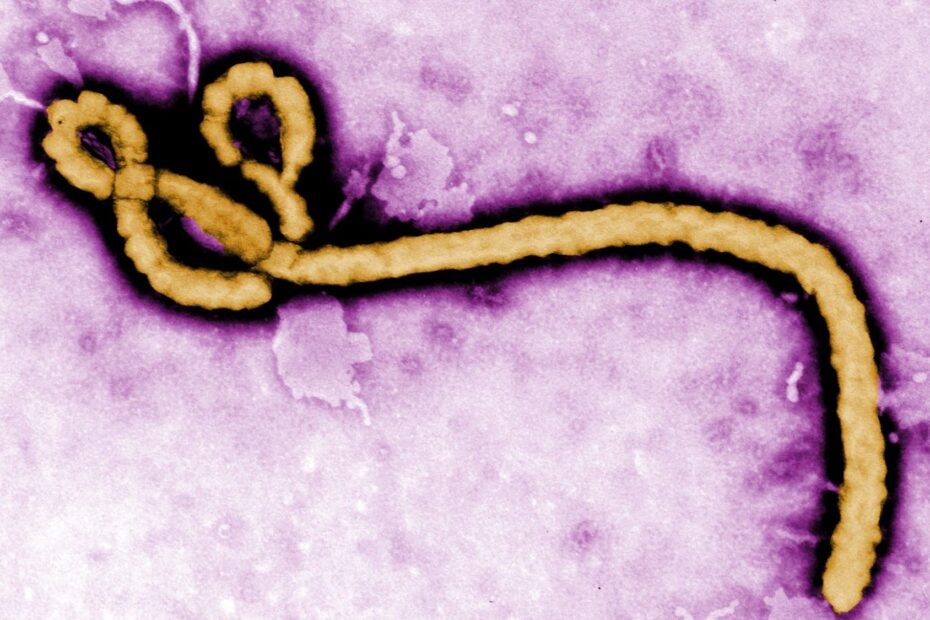
The current Ebola outbreak in the Democratic Republic of the Congo (DRC), primarily caused by the Bundibugyo virus, has been declared a Public Health Emergency of International Concern (PHEIC) by the World Health Organization (WHO) on May 17, 2026. As of the latest available data, the CDC assesses the overall risk to the American public and travelers as low. No confirmed cases of Ebola have been reported in the United States linked to this outbreak. However, a small number of Americans in the DRC have had potential exposure, and the U.S. government is actively coordinating their safe withdrawal and monitoring.
This analysis is based on official statements from the CDC, WHO, and other public health authorities as of May 19, 2026. It focuses strictly on available evidence and avoids speculation.
Current Outbreak Overview
- Location and Virus Strain: The outbreak is centered in Ituri Province in eastern DRC, with confirmed spread to Kampala, Uganda. It is caused by the Bundibugyo ebolavirus (BDBV), one of the less common Ebola species. Unlike the more frequent Zaire ebolavirus, there are currently no licensed vaccines or specific therapeutics approved for Bundibugyo.
- Case Numbers: As of May 16, 2026, WHO reported 8 laboratory-confirmed cases, over 246 suspected cases, and approximately 80 suspected deaths in the DRC. Two confirmed cases (one death) have been reported in Uganda among travelers from the DRC.
- Transmission: Primarily through direct contact with bodily fluids of infected individuals or contaminated surfaces. Human-to-human transmission has been documented, but the virus is not airborne.
U.S. Government Risk Assessment
The Centers for Disease Control and Prevention (CDC) has issued the following key points (as of May 18, 2026):
- The immediate risk to the general U.S. public remains low.
- No confirmed cases in the U.S. from this outbreak.
- Enhanced public health measures have been implemented, including:
- Enhanced travel screening at U.S. ports of entry for individuals coming from affected areas.
- Entry restrictions for non-U.S. passport holders who have been in the DRC, Uganda, or South Sudan in the previous 21 days.
- Temporary pause of visa services in U.S. embassies in those countries.
- Coordination for the safe withdrawal of a small number of Americans with potential high-risk exposure.
The CDC is also deploying additional personnel to support containment efforts in the region and continues to monitor the situation closely.
Factors Influencing Risk to the United States
- Geographic Distance and Travel Patterns:
- The affected areas in eastern DRC and Uganda are remote and conflict-affected, with limited international air connections to the U.S.
- Most potential imported cases historically involve returning healthcare workers, aid personnel, or travelers with direct exposure. The CDC is actively tracking and supporting such individuals.
- Transmission Dynamics:
- Ebola requires direct contact with infected bodily fluids. It is not transmitted through casual contact or air travel in the same way respiratory viruses are.
- The incubation period (2–21 days) allows for detection through screening and symptom monitoring.
- U.S. Preparedness:
- The U.S. has robust systems for detecting and responding to imported cases, including designated treatment centers with high-level isolation capabilities (e.g., biocontainment units).
- Past outbreaks (2014–2016) demonstrated effective containment with only a handful of cases reaching the U.S., all managed without widespread transmission.
- Potential for Introduction:
- While the risk is low, it is not zero. A small number of Americans with potential exposure are being evacuated and monitored. Any confirmed case in the U.S. would trigger immediate public health response protocols.
Potential Scenarios and Mitigation
The CDC has outlined qualitative risk assessments with several plausible scenarios:
- Low-impact scenario: Limited cases among exposed individuals, contained through monitoring and isolation.
- Moderate scenario: Small number of imported cases, managed within existing healthcare infrastructure.
- Higher-impact scenario (less likely): Wider regional spread leading to more travelers or aid workers returning with exposure.
Mitigation measures already in place include enhanced screening, contact tracing for exposed individuals, and public health messaging. The U.S. continues to support international response efforts in the DRC and Uganda to contain the outbreak at the source.
Conclusion
Based on current evidence from the CDC and WHO, the risk of a significant Ebola outbreak in the United States remains low. The primary focus is on preventing importation through travel measures and supporting containment in the affected region. Continued vigilance, rapid response capabilities, and international cooperation are key to maintaining this low-risk status.
This assessment is based solely on publicly available official statements from the CDC and WHO as of May 19, 2026. The situation is evolving, and updates should be monitored through official channels.