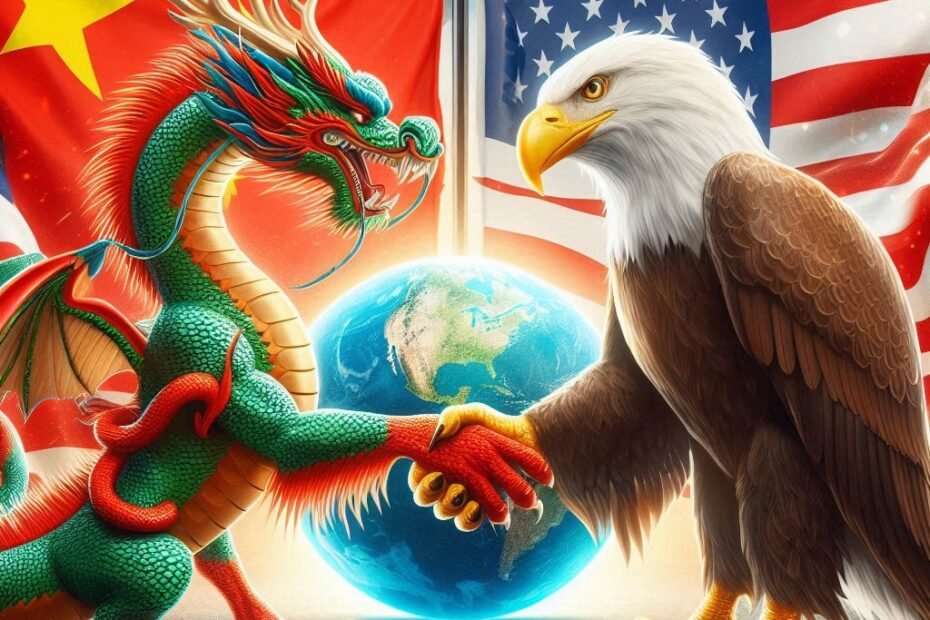
Life Sciences: Collaboration between the United States and China in decline
The collaboration between the United States and China in the life sciences has been a significant driver of scientific progress over the past few decades. However, recent geopolitical tensions and policy changes have begun to impact this crucial partnership. Historical Context The U.S.-China Science and Technology Agreement (STA), first signed in 1979, laid the foundation for scientific cooperation between the two nations[4]. Initially focused on agricultural research, the agreement expanded over time to encompass a broader range of scientific fields, including the life sciences. This collaboration has been instrumental in fostering groundbreaking research and innovations in areas such as agriculture, clean energy, public health, and the environment[2] Collaboration Trends For many years, China has been the United States‘ most important collaborator in the life sciences. Since 2013, China has held this top position[1]. The partnership has led to a rapid…