Exklusive Analyse: Chancen und Risiken durch KI-Humanoide
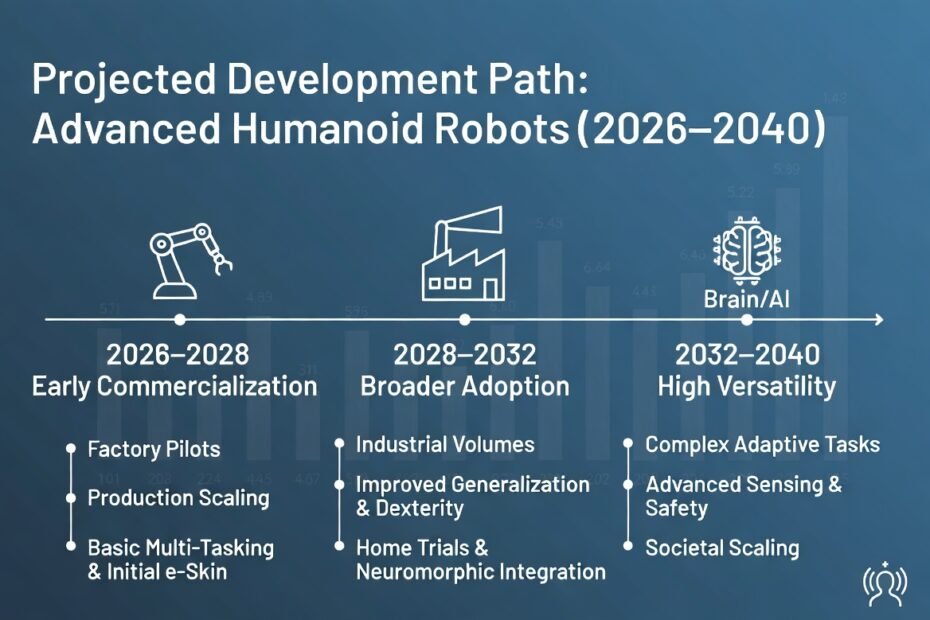
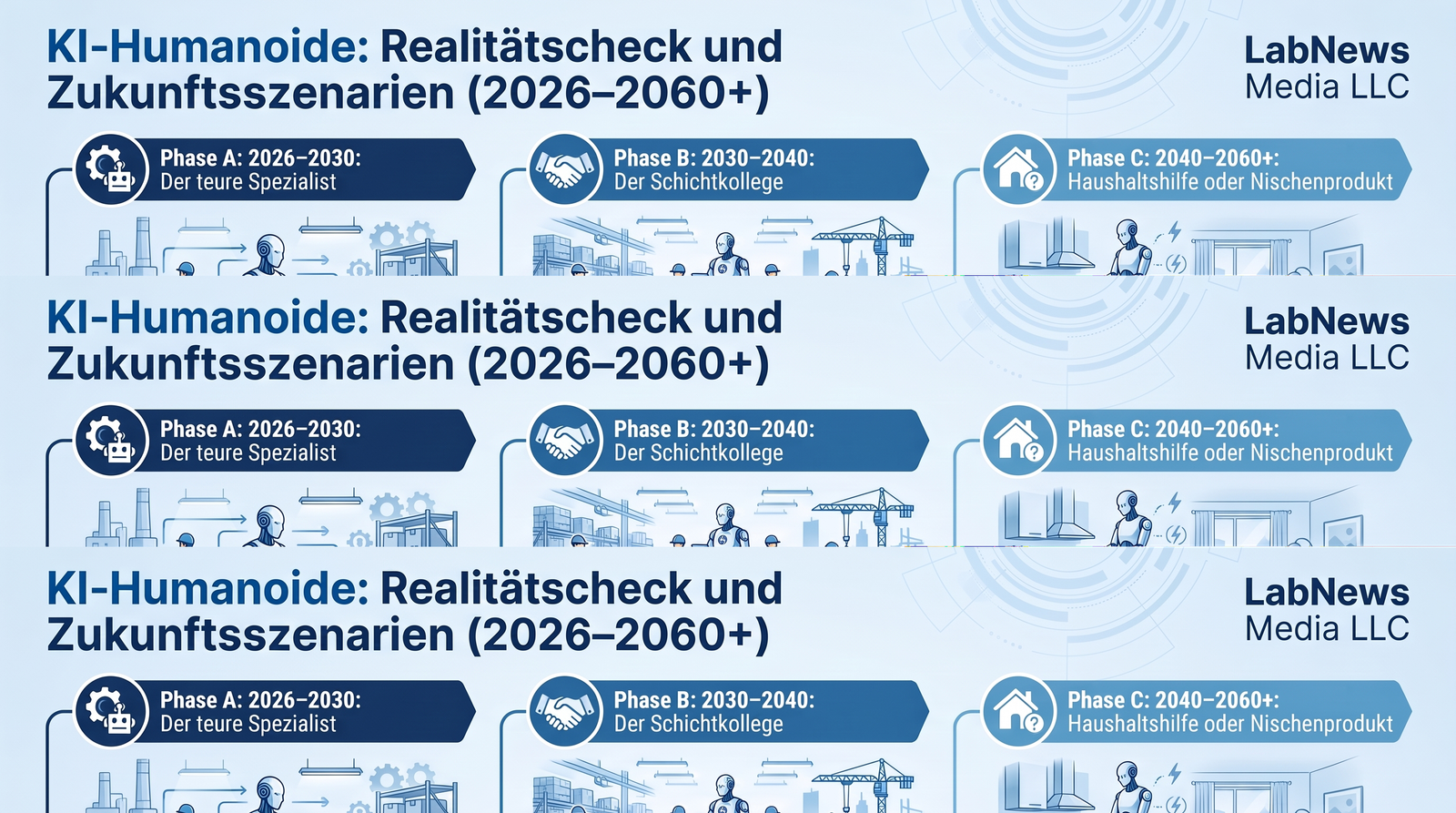
ALBUQUERQUE, 29. August (LabNews Media LLC) – Humanoide Roboter mit künstlicher Intelligenz ersetzen den Menschen nicht in allen Bereichen. Weder 2030 noch 2050 und sehr wahrscheinlich nicht vollständig in diesem Jahrhundert. Sie werden jedoch ab den späten 2020er-Jahren in strukturierten physischen Tätigkeiten wirtschaftlich relevant und in den 2030er-Jahren in Teilen von Industrie und Logistik zum Normalfall. Die soziale Sprengkraft liegt nicht im Science-Fiction-Bild des universellen Hausdieners. Sie liegt in der Entkopplung von Einkommen und menschlicher Arbeit – lange bevor die Maschine ein Kind trösten oder ein Urteil tragen kann. LabNews Media LLC veröffentlicht diese Analyse ohne Werbekunden, ohne Industrieauftrag und ohne Verpflichtung gegenüber Regulierungsbehörden. Die Darstellung folgt der erkennbaren Einsatzlage, nicht den Produktfilmen der Hersteller. Befundlage Das Jahr 2026 wird von Herstellern als „Jahr des Humanoiden“ vermarktet. Die Lieferzahlen stützen das Narrativ nur zur Hälfte. China stellt den weit überwiegenden…